Digital Discretion Redefined: Exploring the Power of Privacy Screen Protectors for Modern Devices
The Rise of Screen Snooping in a Hyper-Connected World
With the surge in remote work, public commuting, and digital reliance, our screens have essentially become windows into our personal and professional lives. From confidential emails to banking apps, sensitive content is constantly visible to anyone within a glance’s reach. As device use in public and semi-public spaces grows, so does the risk of visual hacking.
One practical and increasingly essential solution is the privacy screen protector — a thin, intelligent film or glass that keeps onlookers out while allowing you to view your screen clearly. Whether you’re a business traveler, student, or just someone concerned about privacy, this small investment can make a massive difference.
What Is a Privacy Screen Protector and How Does It Work?
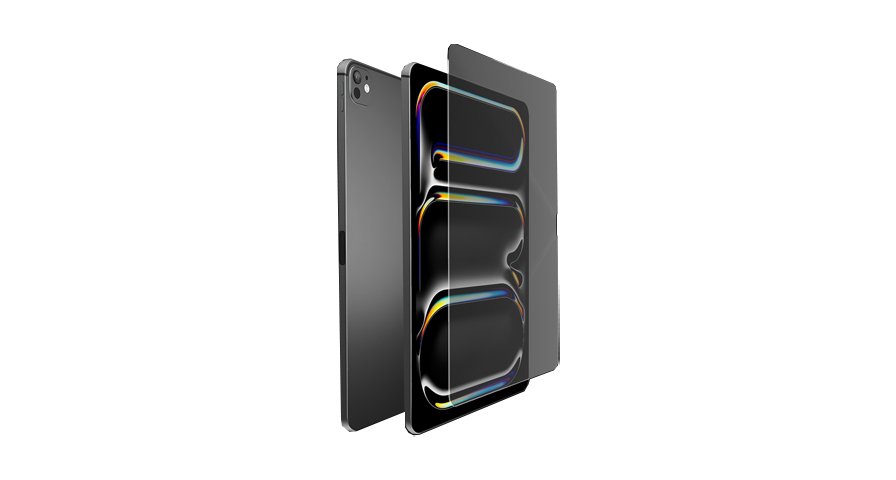
A privacy screen protector is a specially engineered filter that limits the viewing angle of your screen. Typically, it uses microlouver technology — tiny vertical blinds that allow light to pass straight through but block side-angle visibility. This ensures only the person directly in front of the screen can view the content, while others see a dark or tinted display.
These screen shields are now available for a wide range of devices, including smartphones, tablets, laptops, and monitors — giving users privacy on-the-go without compromising screen usability.
Top Reasons to Use a Privacy Screen Protector
1. Preventing Shoulder Surfing and Visual Hacking
In high-traffic areas like airports, coffee shops, universities, and public transport, the risk of screen snooping is real. Privacy screen protectors offer a discreet way to secure your information without drawing attention. It’s especially critical for people dealing with sensitive data such as lawyers, accountants, and healthcare professionals.
2. Enhancing Confidentiality During Remote Work
As hybrid work models become the norm, professionals are often working from shared spaces. Whether you’re editing contracts or analyzing sales data, a privacy screen ensures business stays confidential. It’s a critical component for maintaining digital professionalism and client trust.
3. Reducing Screen Glare and Eye Strain
Many privacy screen protectors also offer anti-glare coatings and blue light filtering, helping reduce digital eye strain, especially during long work sessions. This feature is ideal for office workers, gamers, and students who spend hours in front of screens.
4. Maintaining Screen Quality and Durability
In addition to offering privacy, these protectors shield your screen from fingerprints, smudges, and minor scratches. Some are made with tempered glass for extra impact resistance, enhancing the lifespan of your device screen.
Key Features to Look for in a Privacy Screen Protector
If you’re shopping for the best privacy screen protector, consider the following specifications:
- Viewing angle: Choose between 30° to 60° angles for optimal privacy.
- Touchscreen responsiveness: Look for ultra-thin designs that don’t compromise usability.
- Anti-glare and anti-blue light: Reduce glare in sunlight and protect your eyes from harmful blue light.
- Tempered glass vs. film: Glass options offer better durability; films are lighter and more flexible.
- Case compatibility: Ensure the protector leaves enough space for your phone or tablet case.
Best Use Cases for Privacy Screen Protectors
Here are some scenarios where privacy protectors can be extremely valuable:
- Traveling professionals who often work on laptops in public.
- Students who need to protect academic or personal data in libraries or classrooms.
- Healthcare workers managing patient records on digital devices.
- Executives reviewing confidential reports in shared office spaces.
- Everyday users who want more screen privacy during social media or banking sessions.
Long Tail Keywords That Drive Privacy Screen Protector Searches
To help your content rank better and reach the right users, include semantic SEO keywords naturally. Here are some examples:
- “best privacy screen protector for laptop with blue light filter”
- “anti-glare privacy film for mobile phones”
- “how to block side views on my phone screen”
- “touchscreen-compatible privacy screen guard for tablets”
- “privacy screen protector for remote workers and professionals”
Using such keyword phrases boosts SEO visibility and ensures the article matches user intent.
Tips for Installing Your Privacy Screen Protector Effectively
To get the most out of your privacy filter, install it correctly:
- Clean the screen thoroughly with alcohol wipes and a microfiber cloth.
- Use the alignment tool (if included) or carefully center the protector manually.
- Peel and apply slowly, pressing from the center outwards to prevent air bubbles.
- Use a card or soft squeegee to smooth out edges.
Some privacy protectors come with magnetic or clip-on installation, especially for laptops, allowing quick removal or repositioning when needed.
FAQs About Privacy Screen Protectors
Q1. Do privacy screen protectors reduce brightness or clarity?
Yes, privacy filters slightly dim the screen due to their viewing angle restriction. However, most users adjust brightness settings to compensate, and premium models minimize this effect.
Q2. Can I use Face ID or fingerprint sensors with a privacy protector?
Yes, most modern privacy protectors are designed to be fully compatible with Face ID, fingerprint sensors, and stylus pens, especially on iPads and newer iPhones.
Q3. Are privacy screen protectors removable and reusable?
Some are — particularly magnetic or snap-on models for laptops. Adhesive models are semi-permanent and may lose adhesion after removal, though some can be re-applied a few times.
Q4. Is it safe for kids to use devices with a privacy screen protector?
Absolutely. In fact, those with blue light reduction can be helpful in reducing eye strain and supporting healthier sleep patterns in children.
Q5. Will a privacy protector protect my screen from cracks?
Privacy protectors primarily guard against scratches, smudges, and glare. If made from tempered glass, they may offer some crack resistance but shouldn’t replace a full protective case.
Final Thoughts: Your Privacy Deserves Protection
In an age where screen time is at an all-time high, and digital privacy is under constant threat, a privacy screen protector is more than just a tech accessory — it’s a security tool. It protects your data from prying eyes, reduces eye fatigue, and preserves your screen’s integrity.
Whether you’re a student, remote worker, entrepreneur, or casual user, investing in a high-quality privacy protector is a smart move for peace of mind and digital discretion. Secure your screen, your eyes, and your privacy — all in one simple step.