The Evolution of Solitaire Card Games: From Traditional Decks to Digital Play
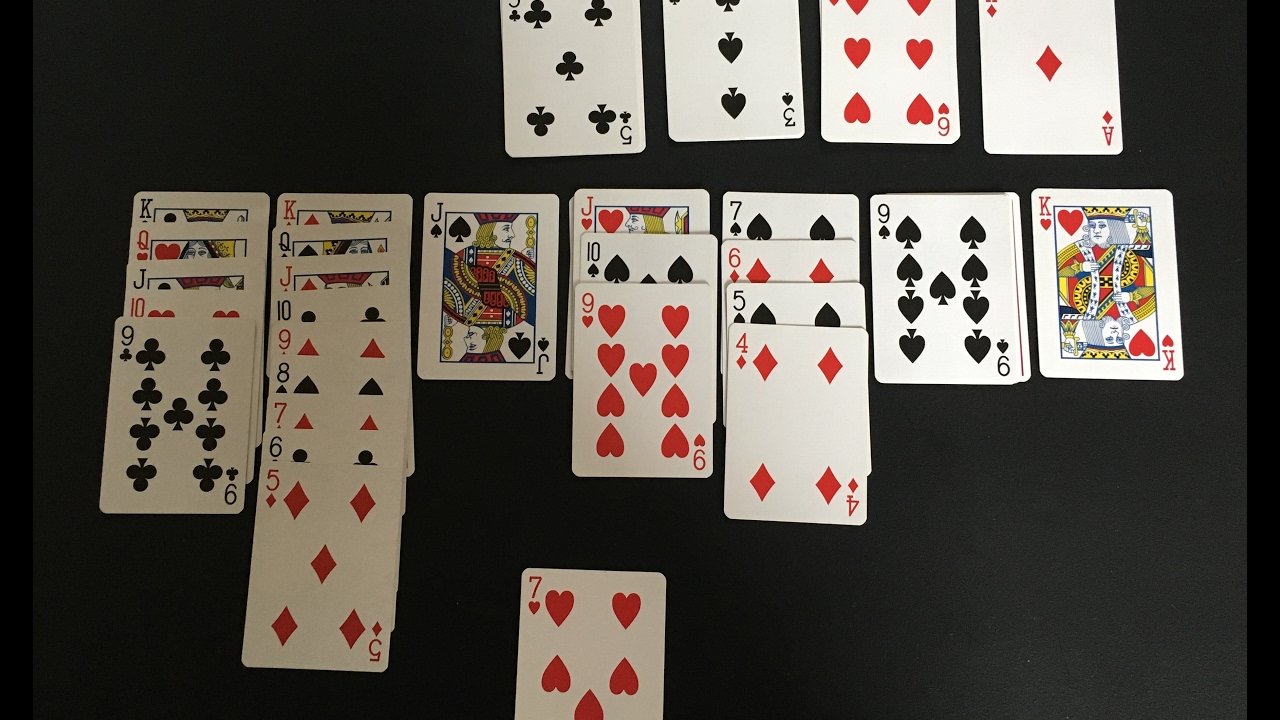
Solitaire, a timeless card game enjoyed by individuals across all ages, has undergone a remarkable transformation over the centuries. What began as a quiet, contemplative pastime using a standard deck of cards has evolved into a popular digital experience available across a range of devices. The evolution of Solitaire not only reflects changes in technology but also reveals how gaming habits have shifted in response to convenience, accessibility, and global connectivity.
Originally played with physical cards in drawing rooms and parlors, Solitaire became a staple for solo players seeking entertainment and mental stimulation. Today, with mobile apps, websites, and computer programs offering instant access, the game has maintained its charm while adapting to modern life. A great place to explore different Solitaire Card Games and their digital versions is through dedicated platforms that bring both variety and historical appreciation into focus.
The Origins of Solitaire
The earliest known references to Solitaire date back to the 18th century in Northern Europe. Some historians suggest the game originated in Scandinavia or Germany, while others credit France with popularizing the format known today. The name “Solitaire” is derived from the Latin word solitarius, meaning “alone,” fitting for a game designed for a single player.
By the 19th century, Solitaire had become widely popular across Europe, especially in France and England. It was often associated with the upper class and featured in books on card games. The game migrated to North America during the 1800s, where it was embraced as a form of personal leisure.
Solitaire in Print and Pop Culture
In the late 19th and early 20th centuries, Solitaire appeared in numerous printed manuals and puzzle books. These publications outlined rules for various versions, such as Klondike, Canfield, and Spider, which are still popular today. As literacy and printing technology expanded, so did the game’s reach.
Solitaire also found a place in wartime culture, particularly during World Wars I and II. Soldiers stationed abroad played the game as a way to pass time and reduce stress, often using makeshift cards. This widespread accessibility further cemented Solitaire’s status as a beloved global pastime.
The Shift to Digital Platforms
The real turning point for Solitaire came with the advent of personal computing. In 1990, Microsoft included Solitaire (specifically, Klondike) in its Windows 3.0 operating system. This move introduced the game to millions and played a critical role in familiarizing people with graphical user interfaces—clicking, dragging, and dropping.
Solitaire became one of the most played digital games worldwide. Its built-in presence on Windows computers made it an iconic part of the digital revolution in home and office entertainment. Over time, updated versions were released with improved graphics, animations, and new rule variations.
Rise of Mobile and Online Solitaire
With the rise of smartphones and tablets, Solitaire found a new home in mobile apps. Whether on a quick break or during a commute, players could now access dozens of Solitaire variants with just a few taps. Online platforms also emerged, offering multiplayer features, leaderboards, and daily challenges.
Web-based versions of the game have flourished as well. These allow users to play directly in their browsers without downloading software. Many of these platforms, including those dedicated to showcasing classic and modern versions of Solitaire, serve as educational and entertainment resources for both beginners and advanced players.
Variations and Customization
The digital era has brought not only convenience but also innovation. Developers have introduced a wide range of Solitaire variations, including:
- Spider Solitaire – Requires greater strategy with two decks.
- FreeCell – Offers more predictable outcomes and demands logical thinking.
- Pyramid Solitaire – Adds a mathematical twist by combining cards totaling 13.
- TriPeaks Solitaire – Introduces a fast-paced approach with scenic layouts.
Players can also customize backgrounds, card designs, and difficulty levels, enhancing their experience. This personalization was never possible with physical decks, showing how digital Solitaire caters to individual preferences in ways traditional gameplay could not.
Educational and Cognitive Benefits
Beyond entertainment, Solitaire provides cognitive benefits that contribute to mental agility and focus. Studies suggest that playing card games like Solitaire can help improve problem-solving skills, short-term memory, and concentration. The digital format enhances this further with structured goals, timed sessions, and progress tracking.
Many platforms have introduced features such as hints, undo options, and statistical feedback, allowing users to learn and improve over time. These tools make the game more accessible to a broader audience, including children and older adults.
Conclusion
The journey of Solitaire from traditional card tables to digital screens illustrates the adaptability and enduring appeal of the game. As technology continues to evolve, Solitaire remains a constant companion for those seeking a balance of relaxation and mental challenge. With a blend of history, strategy, and innovation, the game continues to bridge generations and platforms—proving that a classic pastime can thrive in a modern world.