Osteopathy in Sports Injury Recovery
Sports injuries are a common challenge faced by athletes of all levels, from amateurs to professionals. These injuries can range from minor muscle strains to more severe joint or ligament damage. Proper and timely treatment is essential not only for pain relief but also for restoring function and preventing future injuries. One effective approach gaining recognition in the realm of sports injury recovery is osteopathy. This holistic form of manual therapy focuses on the musculoskeletal system and aims to optimize the body’s natural healing processes. For those seeking expert care, practitioners like stefanie-frank in Stuttgart offer specialized osteopathic treatments tailored to support sports injury recovery.
Understanding Osteopathy and Its Role in Sports Recovery
Osteopathy is a manual therapy that emphasizes the relationship between the structure of the body—primarily bones, muscles, and joints—and its function. By using hands-on techniques such as stretching, gentle pressure, and mobilization, osteopaths aim to improve circulation, reduce pain, restore mobility, and promote overall balance within the body.
For athletes recovering from injury, osteopathy addresses not only the site of injury but also compensatory patterns that may have developed due to altered movement or posture. This holistic view helps to identify and correct imbalances that could hinder healing or contribute to re-injury.
Common Sports Injuries Treated by Osteopaths
Osteopathy can be effective in managing a wide range of sports injuries, including:
- Muscle strains and sprains: Overstretching or tearing of muscles and ligaments is common in sports. Osteopathic treatment can alleviate pain, reduce inflammation, and promote tissue healing.
- Tendonitis: Inflammation of tendons often results from repetitive strain. Osteopathy helps by improving blood flow and relieving tension in affected areas.
- Joint injuries: Sprains, dislocations, and cartilage damage can benefit from osteopathic techniques aimed at restoring joint alignment and function.
- Back and neck pain: Athletes frequently experience discomfort due to muscle imbalances or poor posture, which osteopathy can help address.
- Post-surgical rehabilitation: Osteopathy supports recovery after surgical interventions by enhancing mobility, reducing scar tissue formation, and promoting circulation.
How Osteopathy Supports the Healing Process
The body’s ability to heal after injury relies heavily on optimal circulation, nerve function, and biomechanical balance. Osteopathy works by facilitating these factors through various hands-on methods:
- Improved circulation: Osteopathic manipulations enhance blood flow to injured tissues, speeding up the delivery of oxygen and nutrients necessary for repair.
- Lymphatic drainage: Techniques used in osteopathy encourage the drainage of lymphatic fluids, helping to reduce swelling and inflammation.
- Muscle relaxation: Gentle stretching and soft tissue manipulation relieve muscle tension and spasm, which often accompany sports injuries.
- Joint mobilization: Restoring normal joint movement prevents stiffness and encourages proper function.
- Neurological balance: By addressing nerve restrictions and improving spinal alignment, osteopathy supports better coordination and muscle control.
Customized Treatment Plans for Athletes
Every athlete and injury is unique, so osteopaths develop personalized treatment plans based on a thorough assessment. This evaluation includes understanding the injury’s cause, the athlete’s biomechanics, training routine, and overall health status.
Treatment frequency and duration depend on the injury’s severity and the individual’s response to therapy. Early intervention often leads to faster recovery times and better long-term outcomes.
Benefits Beyond Injury Recovery
While osteopathy is highly effective in treating injuries, it also offers benefits that extend beyond the healing phase:
- Injury prevention: By identifying and correcting imbalances, osteopathy helps athletes maintain proper biomechanics, reducing the risk of future injuries.
- Performance enhancement: Improved mobility, flexibility, and muscular function can enhance athletic performance.
- Stress reduction: Manual therapy promotes relaxation, which aids mental focus and recovery.
- Holistic health: Osteopathy considers overall wellbeing, including diet, lifestyle, and training habits, to support an athlete’s complete health.
What to Expect During an Osteopathic Session
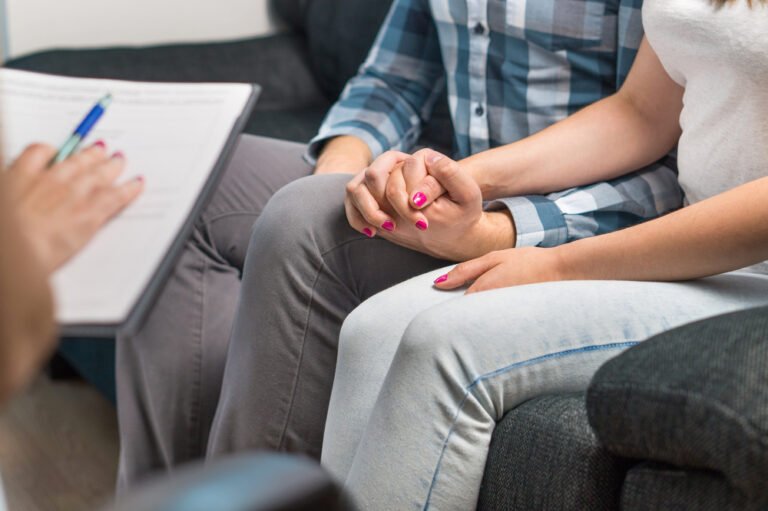
During the initial session, the osteopath will conduct a detailed assessment, including reviewing medical history, examining posture, and assessing movement patterns. The treatment usually involves hands-on techniques that may include gentle manipulation, soft tissue massage, and guided exercises.
Sessions are typically comfortable, with practitioners adapting techniques to avoid pain or discomfort. After treatment, some athletes may experience mild soreness, which is a natural part of the healing process.
Choosing the Right Osteopath for Sports Injuries
Selecting a qualified and experienced osteopath is crucial for effective sports injury management. Look for practitioners who have additional training or experience in sports medicine and understand the specific demands athletes face.
In Stuttgart, professionals like stefanie-frank provide expert osteopathic care, blending evidence-based practice with personalized treatment approaches to optimize sports injury recovery.
Conclusion
Osteopathy is a valuable component of sports injury recovery, offering a holistic, hands-on approach that supports the body’s natural healing abilities. From relieving pain and reducing inflammation to restoring function and preventing future injuries, osteopathic treatment helps athletes return to their sport stronger and more resilient.
For athletes seeking comprehensive care tailored to their unique needs, osteopathy presents an effective option. With experienced practitioners like stefanie-frank providing specialized services, sports injury recovery can be a smoother and more successful process.