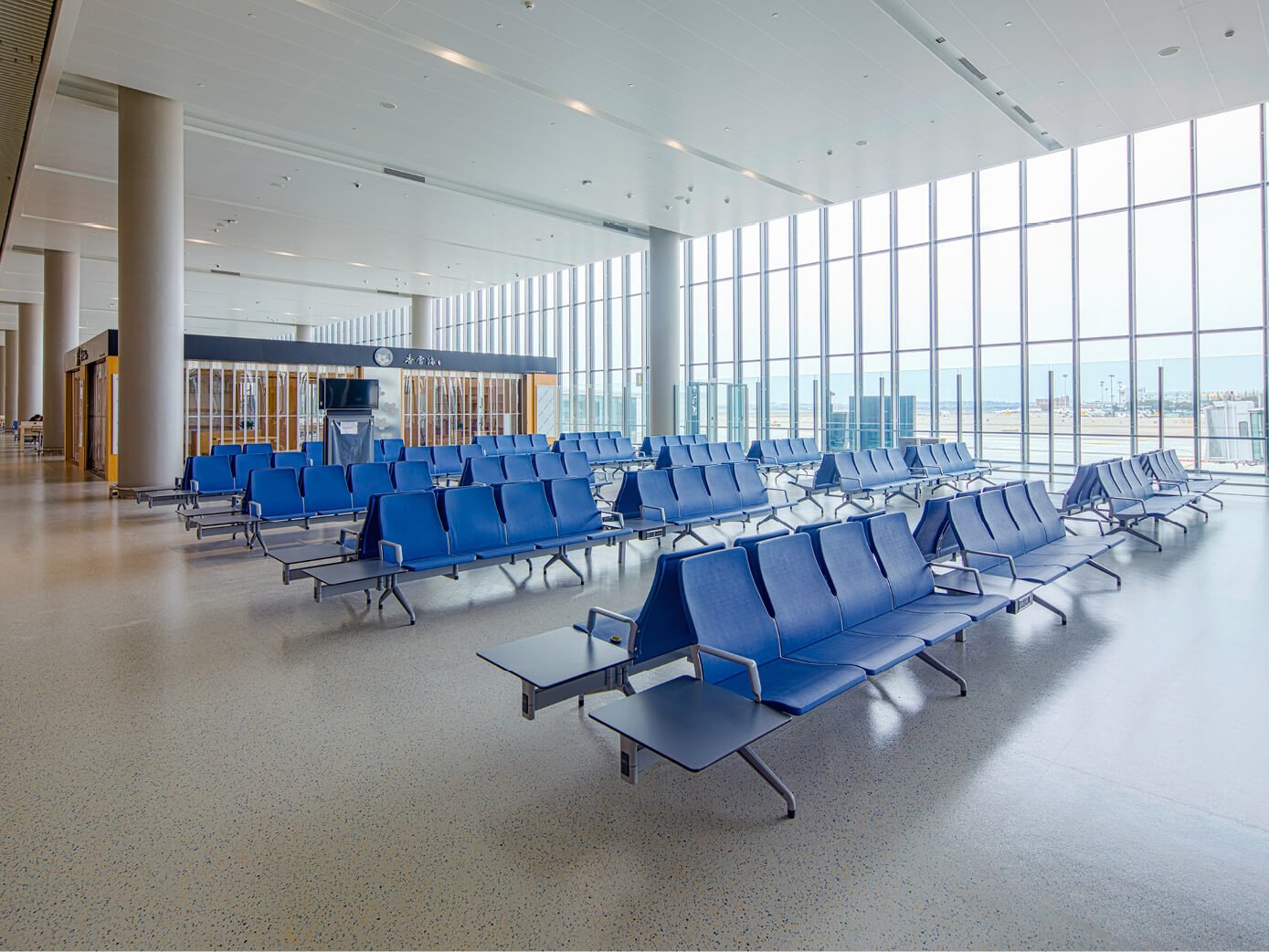
Trends Shaping the Future of Airport Seating Manufacturing
As global air travel continues to grow, airport operators are reimagining passenger experiences from check-in to boarding. One area undergoing significant transformation is airport seating. Once seen as a purely functional feature, seating has evolved into a strategic asset that influences passenger comfort, operational efficiency, and even airport branding. Today, emerging technologies, sustainability goals, and changing traveler expectations are driving new trends in how seating is designed, produced, and integrated into terminals. This article explores the key developments shaping the future of airport seating manufacturing.
While traditional designs focused primarily on durability and basic comfort, modern airports now demand innovative seating solutions that address diverse needs. A forward-thinking airport seating manufacturer must balance advanced materials, flexible layouts, and digital capabilities to deliver seating systems ready for tomorrow’s travel environment. The following trends highlight how the industry is evolving to meet these new challenges.
Smart Seating with Integrated Technology
The digital transformation sweeping through airports is influencing seating design in profound ways. Passengers increasingly expect to stay connected, productive, and entertained while they wait. As a result, seating manufacturers are embedding technology directly into seating modules. Features such as wireless charging pads, USB ports, and individual power outlets are rapidly becoming standard in modern installations.
Some airports are also experimenting with seats that include touchscreens for real-time flight updates, wayfinding assistance, or entertainment. These smart seating solutions support the connected traveler while reducing the need to search for separate charging stations.
Emphasis on Flexibility and Modularity
Airports must adapt quickly to fluctuating passenger volumes, seasonal surges, and evolving security protocols. Traditional fixed seating arrangements can limit operational flexibility. To address this, manufacturers are developing modular seating systems that can be easily reconfigured to create new layouts.
Modular designs make it possible to create zones for families, solo travelers, or groups while maintaining clear pathways and compliance with safety standards. In the future, modularity will be essential for airports looking to maximize capacity and enhance passenger flow without costly renovations.
Sustainable Materials and Eco-Friendly Manufacturing
Sustainability is now a top priority for airports worldwide. Seating manufacturers are responding by adopting recycled materials, low-emission production processes, and environmentally responsible sourcing. For example, aluminum frames may include a high percentage of recycled content, while upholstery fabrics increasingly feature bio-based or post-consumer materials.
Eco-friendly finishes that reduce volatile organic compounds (VOCs) and coatings that extend product lifespan are also gaining traction. These initiatives help airports meet green building certifications and demonstrate their commitment to reducing environmental impact.
Focus on Wellness and Ergonomics
Passenger well-being is another driver of change. Extended layovers and long wait times can cause discomfort and fatigue if seating does not support proper posture. As a result, ergonomics has become a central pillar of design. Seating is now engineered to support the spine’s natural alignment, reduce pressure points, and encourage relaxation.
Manufacturers are also incorporating calming colors, softer lighting, and acoustically friendly materials to create environments that reduce stress and promote wellness. This holistic approach acknowledges that physical comfort is only part of a positive passenger experience.
Touchless Features and Hygiene
The pandemic accelerated interest in health and hygiene measures across the aviation industry. Seating design has evolved to incorporate touchless elements, antimicrobial finishes, and surfaces that are easy to clean and disinfect. Materials like high-performance plastics and powder-coated metals not only withstand harsh cleaning agents but also discourage the growth of bacteria.
Some airports are piloting self-cleaning technologies, such as UV light modules integrated into seating clusters. While still emerging, these innovations may become more common as airports prioritize public health and safety.
Customization and Branding Opportunities
In a competitive landscape, airports seek ways to create distinctive experiences that reflect their identity. Seating manufacturers are offering more customization options to align with local culture and branding. Custom colors, materials, and configurations help reinforce a consistent design language throughout terminals.
This trend is especially visible in premium lounges, where seating must deliver a high-end experience that aligns with airline and airport brands.
Conclusion
The future of airport seating manufacturing is being shaped by technology, sustainability, and the demand for improved passenger experiences. Smart features, modular layouts, and eco-friendly materials are no longer optional—they are essential components of modern design strategies. As airports continue to evolve into dynamic spaces that balance efficiency with comfort, manufacturers will play a vital role in delivering solutions that meet the needs of both today’s and tomorrow’s travelers. Whether you are traveling for business or leisure, the seat you occupy at the gate is part of a larger vision to make air travel more connected, comfortable, and sustainable.