Selecting Engine Mounts for High-Performance Marine Engines
High-performance marine engines demand more than just power and speed—they require durability, stability, and precision. Whether installed in a racing boat, a sport fishing vessel, or a performance cruiser, these engines operate under extreme conditions that test the resilience of every component. Among the most critical yet often overlooked parts in such setups is the engine mount. Selecting the right engine mounts is essential to preserving performance, reducing wear, and ensuring the long-term health of your engine and drivetrain.
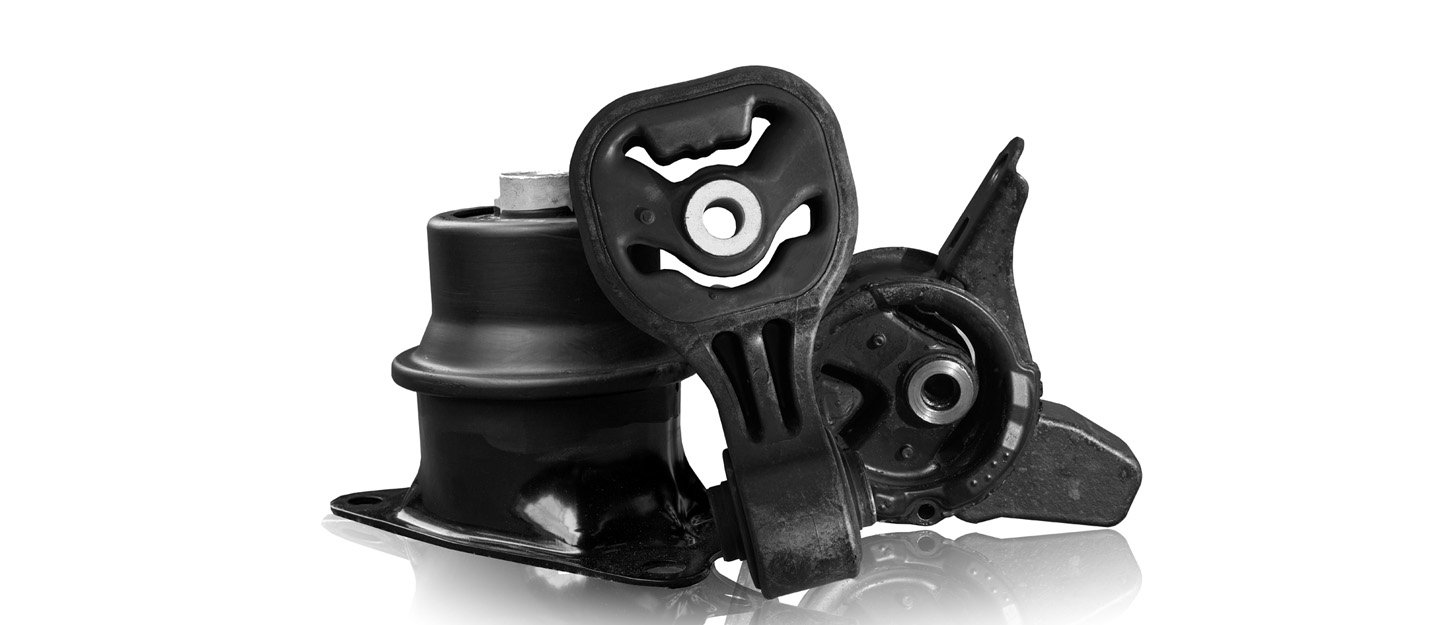
The engine mount serves a dual purpose: it secures the engine to the hull and isolates vibration and noise from the rest of the vessel. For owners and technicians sourcing dependable replacements or upgrades, it’s important to choose mounts specifically designed for marine environments and tailored to the performance characteristics of your engine. One trusted source that offers quality solutions for a wide range of applications is engine mount, where high-grade, marine-ready components are available to meet the rigorous demands of modern engines.
Why Engine Mounts Matter in High-Performance Vessels
In high-performance marine engines, everything operates at a higher threshold. The RPMs are higher, the torque is greater, and the environmental stress is more intense. As a result, engine mounts must not only support heavier loads but also withstand increased vibration, heat, and exposure to saltwater.
Improper or low-quality mounts can lead to issues such as misalignment, increased vibration, and damage to both the engine and the transmission. Over time, this can compromise the integrity of the entire propulsion system, causing downtime and expensive repairs. The right mount acts as a buffer that absorbs these dynamic loads and allows the engine to perform optimally even under peak conditions.
Key Factors to Consider When Choosing Engine Mounts
When selecting mounts for a high-performance marine engine, several factors must be taken into account:
1. Engine Weight and Torque Output
Each mount has a load rating, which indicates the amount of weight and torque it can support. A high-performance engine will often exceed the limits of standard mounts. Ensure the chosen mounts are rated appropriately to handle the dynamic loads generated during acceleration, deceleration, and rough water conditions.
2. Vibration Isolation Requirements
Performance engines naturally produce more vibration due to higher operating speeds. Choosing mounts that effectively isolate these vibrations will enhance onboard comfort, reduce noise, and minimize fatigue on surrounding components. Look for mounts with specialized damping materials designed to absorb both low- and high-frequency vibrations.
3. Environmental Resistance
Saltwater, oil, fuel, and high temperatures can degrade mount materials over time. Marine-specific mounts are typically made with corrosion-resistant metals and marine-grade rubber compounds to withstand these harsh conditions. This extends the life of the mount and ensures consistent performance.
4. Mount Configuration and Adjustability
Some performance boats may require mounts that offer height or angle adjustment to achieve precise engine alignment. This feature is crucial for reducing shaft wear and improving drivetrain efficiency. Always verify the compatibility of the mount design with your engine and hull setup.
5. Manufacturer Recommendations
Most engine manufacturers provide detailed specifications for recommended mount types. Following these guidelines ensures optimal compatibility and performance. If you are upgrading to a higher-performance engine or modifying an existing setup, consult a marine technician to assess any changes needed in mounting hardware.
Signs of Inadequate or Failing Mounts
Knowing when your current mounts are no longer suitable is as important as selecting the right replacements. Common signs of worn or improperly rated mounts include:
- Excessive engine vibration or movement
- Visible cracking or deformation in the rubber
- Misalignment of the engine with the prop shaft
- Metallic clunking or impact noise during throttle changes
- Increased wear on driveline components
If you observe any of these signs, immediate inspection and replacement are advised.
Maintenance Tips for Longevity
Even the best engine mounts will degrade over time, especially under the stress of high-performance use. Regular inspections should be part of your engine maintenance routine. Look for oil saturation, rubber deterioration, corrosion, or any signs of compression loss. Replacing mounts proactively—rather than waiting for failure—can prevent more costly repairs down the line.
Conclusion
In a high-performance marine application, the engine mount is more than just a piece of hardware. It’s a vital component that supports stability, precision, and performance. Choosing the right mount ensures smooth engine operation, reduces mechanical stress, and protects the vessel’s drivetrain from long-term damage.
With numerous styles, load capacities, and materials available, it’s important to match the mount to the specific demands of your engine and vessel. Whether you’re building a performance boat from scratch or upgrading an existing setup, investing in quality engine mount solutions will pay dividends in reliability and performance on the water.