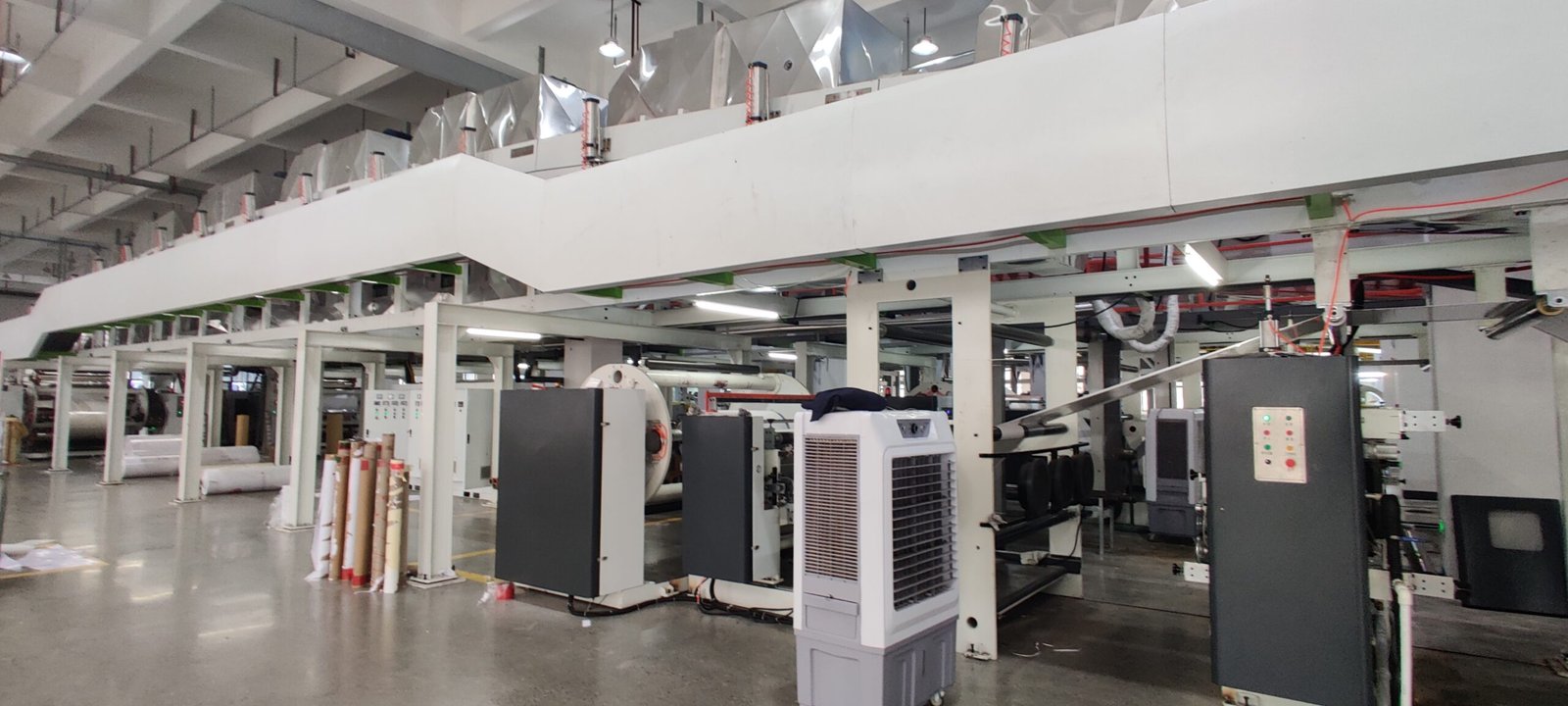
Precision in Print: Choosing the Right Printing Equipment Manufacturer for Modern Demands
The printing industry has evolved tremendously over the past few decades. What once revolved around basic offset presses and manual operations has now expanded into a world of advanced automation, digital workflows, and high-performance machines. Whether for packaging, publishing, advertising, or commercial printing, the role of a printing equipment manufacturer has become critical in helping businesses meet both market expectations and production efficiency.
A trusted printing equipment manufacturer today isn’t just a supplier—they are a strategic partner in innovation, reliability, and growth. From die cutting machines to automated foil stamping units and full-scale printing lines, these manufacturers engineer the backbone of modern production environments.
The Modern Printing Landscape: Complexity Meets Creativity
The printing industry is no longer about ink on paper. With increasing consumer demands for personalization, sustainability, and eye-catching designs, printers need equipment that can do more than just produce. They need machines that can adapt, scale, and innovate.
Today’s printing workflows might include UV curing, hot foil stamping, precision die cutting, and embossing—often all within a single production line. Manufacturers who understand this complexity provide integrated solutions that save time, reduce manual intervention, and produce consistently high-quality results.
Why Choosing the Right Manufacturer Matters
1. Performance and Reliability
Machines are the heartbeat of any print shop. Downtime caused by low-quality equipment or poor after-sales support can lead to missed deadlines and lost revenue. A well-established manufacturer will offer machines built with durable materials, rigorous testing, and engineering that ensures long-term reliability.
2. Innovation and Technology Integration
As automation, AI, and cloud-based diagnostics enter the print world, manufacturers that invest in R&D lead the pack. Look for manufacturers offering machines with touchscreen interfaces, remote diagnostics, programmable settings, and integration with ERP systems for real-time monitoring and performance optimization.
3. Customization Options
No two printing businesses are exactly the same. A good manufacturer will not take a one-size-fits-all approach. Whether you need a custom die-cutter for non-standard materials or modular equipment that fits your facility layout, leading manufacturers offer scalable solutions to meet diverse production needs.
What to Look for in a Printing Equipment Manufacturer
1. Wide Product Range
A manufacturer with a diverse product portfolio—from die-cutting and creasing machines to folder gluers and foil stamping systems—allows you to source all your essential equipment from a single provider, ensuring compatibility and easier maintenance.
2. Global Reach with Local Support
The best manufacturers operate internationally but offer regional support networks. Access to local service engineers, spare parts, and training programs ensures minimal downtime and smooth transitions during installation or upgrades.
3. Sustainability-Focused Engineering
Eco-conscious businesses are increasingly looking for energy-efficient machines with waste reduction systems, minimal emissions, and compatibility with sustainable materials. Responsible manufacturers are incorporating green technology into their designs to support a circular economy.
Technologies Shaping the Future of Print Equipment
AI-Driven Automation
Machines that automatically adjust parameters based on job specifications or material types improve efficiency and reduce operator error. AI-based systems can optimize foil use, cutting paths, and ink distribution in real time.
IoT and Predictive Maintenance
Internet-connected machines can send alerts for upcoming maintenance, track production statistics, and even connect to support teams for remote troubleshooting. This reduces unplanned breakdowns and extends machine lifespan.
High-Speed Precision Engineering
Advancements in servo motors and smart sensors allow machines to run at higher speeds without compromising on cut quality, foil alignment, or register accuracy. This is crucial for high-volume operations.
Industry Applications: Beyond Just Print Shops
The need for precision printing equipment extends into various sectors:
- Luxury Packaging: Perfumes, cosmetics, and wine industries rely on high-end finishing machines for premium presentation.
- Pharmaceuticals: Compliance and traceability are key. Machines must offer accurate foil stamping for safety seals and batch numbers.
- Electronics & Tech: Packaging for tech products demands both functionality and aesthetics, combining embossing, hot stamping, and die cutting.
- Publishing: Special edition books, hardcover embossing, and high-quality inserts require versatile and fast machines to maintain profitability.
Success Metrics: What Customers Should Expect
When choosing a printing equipment manufacturer, consider these performance indicators:
- Production Speed: Measured in sheets per hour (SPH) or meters per minute, speed directly impacts your ability to meet tight deadlines.
- Accuracy and Consistency: Machines should perform with minimal variance in foil placement, die cutting, or ink application.
- Ease of Operation: User-friendly software, quick job changeovers, and intuitive controls reduce training time and operator fatigue.
- After-Sales Support: Extended warranties, preventative maintenance plans, and a responsive support team can make or break your investment.
Case Example: Building a Scalable Production Line
Consider a mid-sized commercial printer aiming to expand into the luxury packaging market. Partnering with a forward-thinking manufacturer, they install a series of interconnected machines: a high-speed flatbed die cutter, an automatic hot stamping unit, and a folder-gluer. With automation in place, their turnaround time improves by 35%, error rates drop significantly, and they land contracts with premium brands looking for high-end packaging solutions.
This transformation isn’t just about machines—it’s about collaboration with a manufacturer who understands both current challenges and future goals.
Conclusion: Invest in a Partner, Not Just a Product
In a fast-paced, competitive, and increasingly digitized industry, the importance of selecting the right printing equipment manufacturer cannot be overstated. Beyond the physical machinery, you’re investing in design innovation, ongoing support, technological leadership, and a future-ready production strategy.
Manufacturers that offer comprehensive solutions, focus on quality engineering, and understand the specific demands of modern print businesses are the ones who will help you stay ahead of the curve.
When you invest wisely in your equipment, you’re not just buying machines—you’re building a foundation for operational excellence, creative freedom, and long-term profitability.