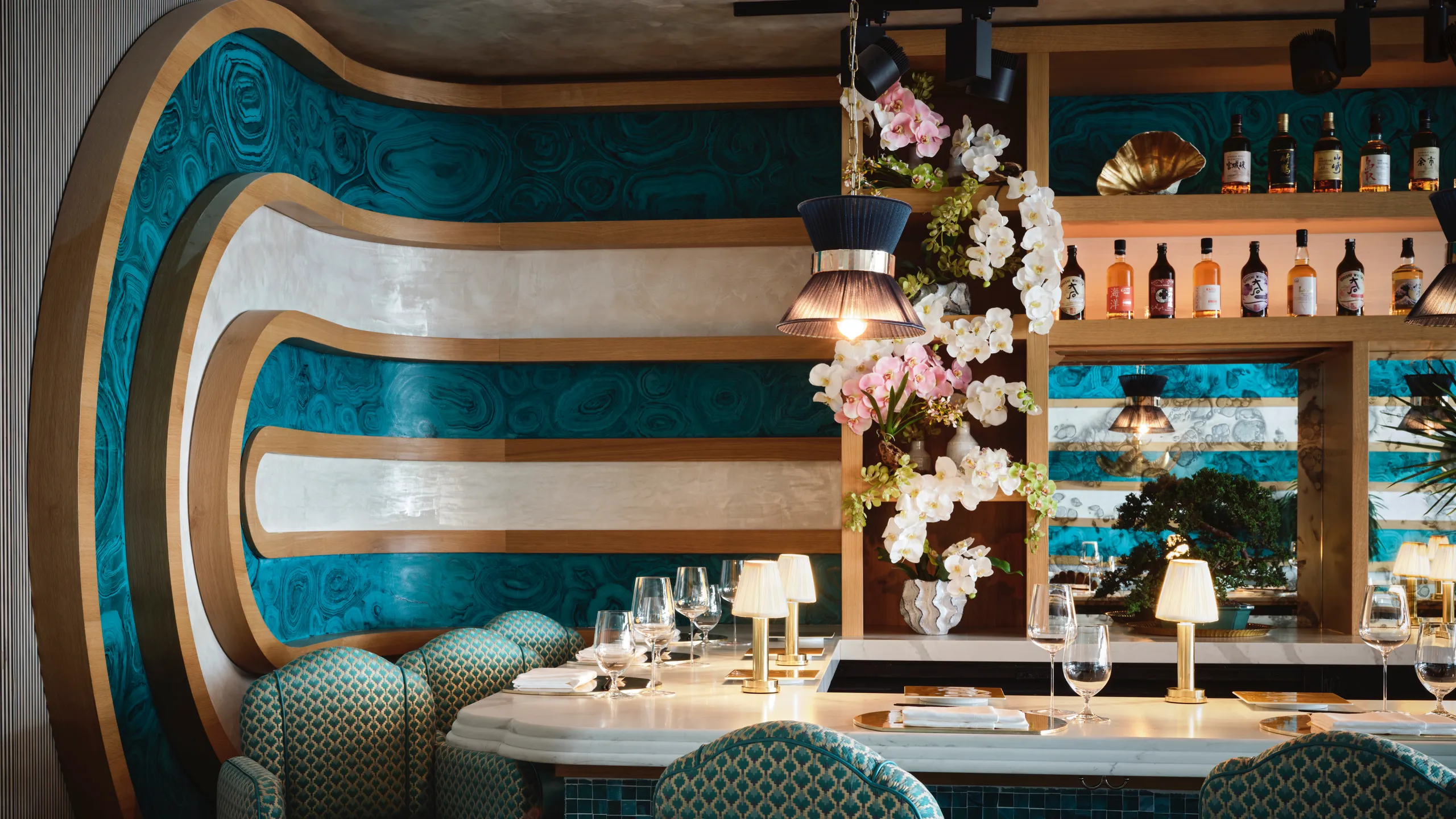
Key Elements That Define Exceptional Restaurant Interior Design
In today’s competitive dining industry, a restaurant’s success relies not only on its culinary offerings but also on the ambiance it creates. The interior design of a restaurant plays a critical role in shaping the dining experience, influencing customer behavior, mood, and perception of value. It reflects the brand identity and sets the tone for what guests can expect from the moment they walk through the door.
Designing an inviting and functional space requires careful consideration of aesthetics, comfort, and operational flow. Professionals who specialize in restaurant interior design understand how to balance visual appeal with practicality, crafting environments that encourage repeat visits and build brand loyalty.
Ambiance That Matches the Cuisine
One of the most important elements in restaurant interior design is creating an ambiance that aligns with the cuisine and brand personality. A fine dining restaurant may feature luxurious finishes, soft lighting, and elegant furniture, while a casual café might embrace a minimalist or rustic style with open layouts and natural materials. The goal is to create a cohesive visual and emotional connection between the food, the brand, and the space.
A consistent theme throughout the restaurant, including colors, textures, and decor elements, helps establish a strong identity that guests can immediately recognize and relate to.
Layout and Space Planning
Effective layout and space planning are essential for both guest comfort and operational efficiency. Designers must consider table spacing, traffic flow, seating arrangements, and accessibility to ensure a pleasant dining experience for all patrons. At the same time, the layout should support staff movement, service delivery, and safety regulations.
Zoning is another key concept in spatial planning. Dividing the restaurant into functional zones—such as waiting areas, private dining sections, or open kitchens—can enhance customer experience and improve service quality. In smaller spaces, multi-functional furniture and smart design choices can help maximize utility without compromising aesthetics.
Lighting Design
Lighting significantly influences how diners perceive the atmosphere and even the food itself. A well-lit space not only looks more inviting but also enhances the overall experience. Warm, dimmable lighting is typically used in upscale restaurants to create a cozy, intimate setting, while brighter, cooler lighting might be preferred in fast-casual or family-friendly establishments.
Accent lighting can be used to highlight architectural features, artwork, or focal points such as the bar or open kitchen. In addition to aesthetics, designers must consider functionality, ensuring that guests and staff have sufficient visibility in all areas.
Acoustic Control
Sound is an often-overlooked aspect of restaurant design, yet it plays a vital role in guest satisfaction. Excessive noise can make conversation difficult and disrupt the dining experience. Designers use various techniques to manage acoustics, including soft furnishings, acoustic panels, strategic ceiling designs, and layout adjustments.
The aim is to strike a balance between a lively atmosphere and comfortable noise levels. Depending on the restaurant’s concept, sound design may also include curated music selections that align with the brand and enhance the ambiance.
Material Selection and Durability
Restaurants are high-traffic environments, so the choice of materials must reflect durability, ease of maintenance, and aesthetic value. Flooring, seating upholstery, and tabletops should be able to withstand daily wear and tear while maintaining their visual appeal.
Incorporating natural materials such as wood, stone, or metal can bring warmth and texture to the space. Additionally, using sustainable and eco-friendly materials not only supports environmental goals but can also serve as a unique selling point for environmentally conscious diners.
Branding Through Design
Interior design is an extension of a restaurant’s branding strategy. From the signage and logo placement to menu holders and bathroom design, every detail should reinforce the brand’s story. Visual consistency across all touchpoints helps build trust and recognition among guests.
Color schemes, artwork, typography, and custom features that reflect the brand’s personality contribute to a memorable and immersive experience. Even the uniforms of the staff and the choice of tableware can be part of the overall branding strategy.
Flexibility and Adaptability
The ability to adapt to changing trends and customer preferences is increasingly important in the restaurant industry. Modular furniture, movable partitions, and flexible seating arrangements allow for easy reconfiguration of the space for different occasions or customer needs.
This adaptability can also accommodate seasonal decor updates, special events, or layout changes in response to new health and safety guidelines. A well-designed restaurant considers not just present needs but future possibilities.
Conclusion
Exceptional restaurant interior design goes far beyond aesthetics. It’s about creating an environment that supports the brand identity, enhances customer comfort, and facilitates efficient operations. By focusing on key design elements such as ambiance, layout, lighting, acoustics, and branding, restaurant owners can shape a memorable and enjoyable dining experience that keeps guests coming back.
In a market as dynamic and competitive as Singapore’s dining scene, investing in thoughtful and strategic interior design is not just a luxury—it’s a necessity.