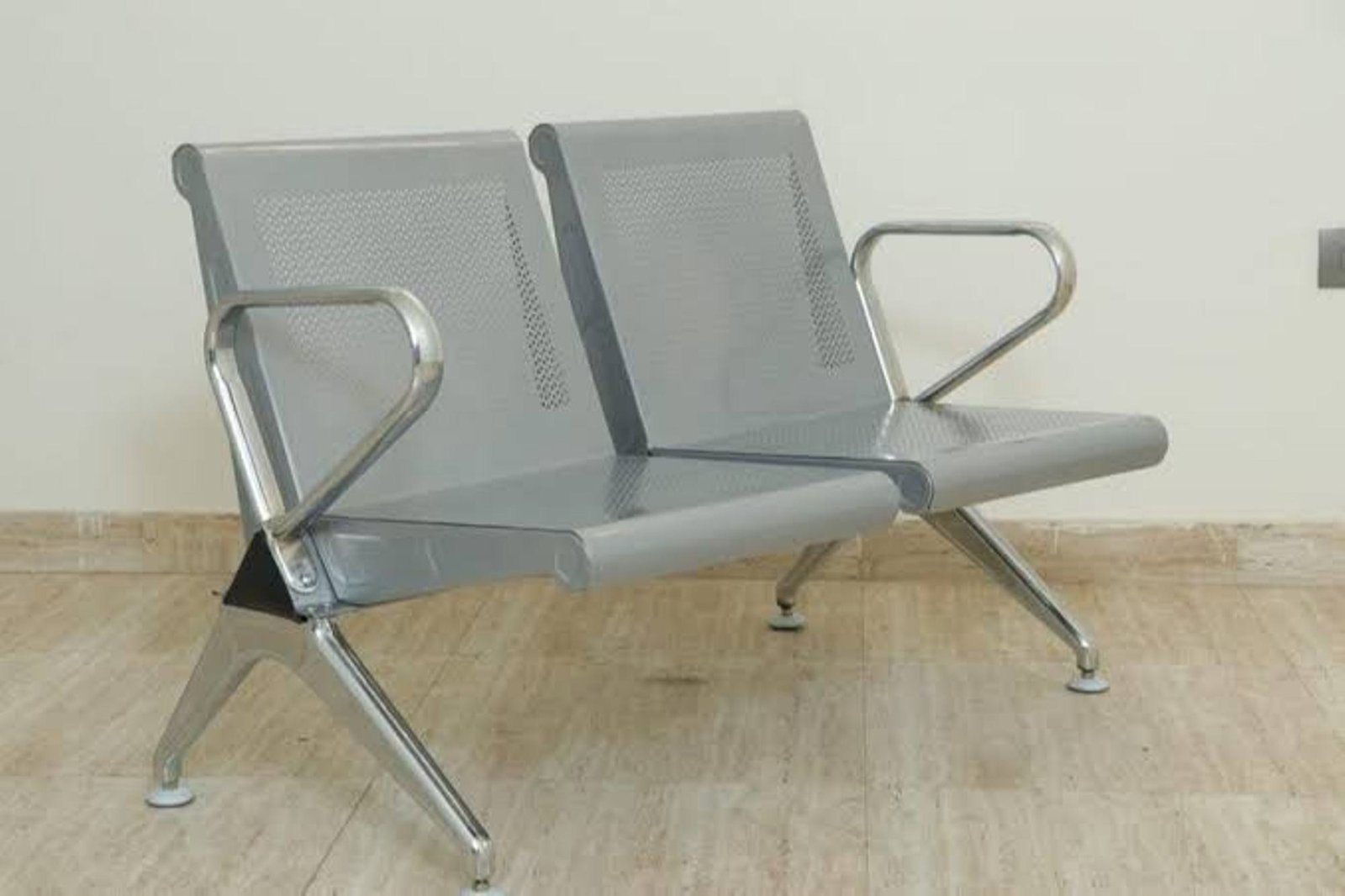
How Waiting Chair Manufacturers Ensure Comfort and Ergonomics
The waiting area is often the first impression people get when they enter a business, clinic, or public service facility. A well-designed waiting chair does more than fill space — it helps create a welcoming atmosphere and supports the health and comfort of every visitor. Behind the scenes, manufacturers invest significant time and expertise to design chairs that look professional, withstand daily use, and promote good posture. This article explores how leading waiting chair manufacturers approach comfort and ergonomics throughout their design and production processes.
Research and Human-Centered Design
Ergonomic seating begins long before materials are chosen or frames are assembled. Reputable manufacturers base their designs on extensive research into human anatomy and behavior. The process involves:
- Studying how people of different heights, weights, and ages sit and move
- Observing how users shift positions over time
- Identifying the most common causes of discomfort during prolonged sitting
A trusted waiting chair manufacturer combines this research with data from ergonomists and industrial designers to create seating solutions that properly support the body and reduce strain.
Contoured Shapes for Natural Support
One of the most important aspects of an ergonomic waiting chair is the shape of the seat and backrest. Unlike flat or rigid chairs, contoured designs follow the natural curves of the body. Key features include:
- Lumbar support: Gently curved backrests cradle the lower spine, helping maintain a healthy posture and preventing slouching.
- Waterfall seat edge: A front edge that slopes downward reduces pressure on the thighs and improves circulation.
- Proper seat depth: Chairs are designed to allow users to sit back fully while keeping their feet comfortably on the floor.
These subtle but important details make a significant difference in comfort during longer waiting periods.
Cushioning and Pressure Distribution
Comfort is also influenced by how weight is distributed across the seat. Quality waiting chairs use multi-layer cushioning systems to provide both softness and support. Manufacturers typically select:
- High-density foam: Durable and resilient, it maintains shape over years of use without flattening.
- Memory foam layers: Some chairs incorporate memory foam to contour to the individual and relieve pressure points.
- Breathable materials: Ventilated cushioning helps regulate temperature and moisture, keeping users comfortable.
Proper cushioning not only feels better but also reduces the risk of discomfort and fatigue over time.
Adjustable and Modular Features
While some waiting chairs are fixed in place, many manufacturers design modular seating systems that can be adjusted or configured to suit different spaces and user needs. These options help accommodate a wider range of body types and preferences. Common features include:
- Adjustable seat height or tilt
- Optional armrests that improve accessibility
- Modular configurations that create varied seating arrangements
Such flexibility is especially valuable in public settings where the waiting population is diverse.
Careful Material Selection
Materials play a major role in both comfort and long-term performance. Upholstery needs to be pleasant to the touch, easy to clean, and durable enough to withstand frequent use. Manufacturers often choose:
- Performance fabrics: Soft but stain-resistant materials that retain their appearance over time
- Vinyl and synthetic leather: Smooth, easy-to-wipe surfaces that resist spills and germs
- Breathable meshes: Allow airflow for a cooler, more comfortable experience in warm environments
By combining robust materials with thoughtful design, manufacturers create chairs that look professional and remain comfortable under daily demands.
Rigorous Testing and Feedback
Before any waiting chair goes into production, it undergoes a range of tests to validate ergonomic performance and durability. Manufacturers typically:
- Conduct weight and stress tests to confirm the chair can support a wide range of users
- Perform cycle testing to simulate years of repeated use
- Use test groups to gather real feedback about comfort and ease of use
This feedback loop helps refine designs and ensure each chair meets high standards before reaching customers.
Aesthetic and Psychological Comfort
Ergonomics is not just physical. Manufacturers also understand that color, form, and style influence how welcoming a space feels. Soft edges, calming colors, and inviting textures all contribute to psychological comfort, reducing anxiety in waiting environments such as healthcare facilities.
By blending ergonomic science with thoughtful aesthetics, manufacturers help create spaces that feel both professional and relaxing.
Conclusion
Comfortable, ergonomic seating doesn’t happen by accident. It is the result of research-driven design, high-quality materials, and rigorous testing. Whether you manage a busy clinic, a government office, or a corporate lobby, investing in well-designed waiting chairs will improve your visitors’ experience and demonstrate your commitment to their well-being. By understanding how manufacturers approach comfort and ergonomics, you can make informed choices that benefit everyone who comes through your doors.