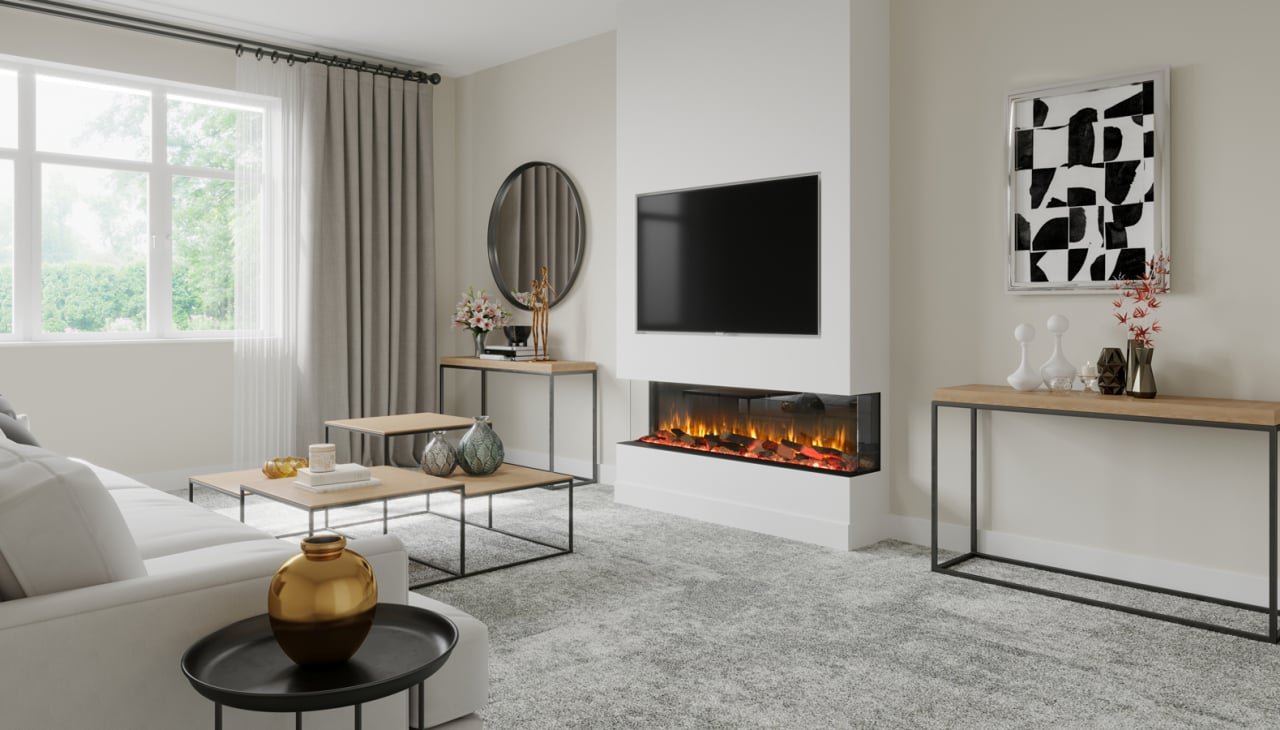
How to Design a Media Wall That Suits Your Home’s Style
A media wall is more than just a functional space to house your television and entertainment system—it’s a statement piece that can elevate the entire look of your living room. The right design can enhance your home’s style, creating a harmonious blend of form and function. If you’re considering adding a media wall to your living space, here’s a guide on how to design one that perfectly complements your home’s aesthetic.
Understanding the Basics of Media Walls
Before diving into the design process, it’s important to understand what media walls are and how they work. A media wall is a built-in feature that integrates a television, audio systems, and storage solutions into a single, cohesive unit. It can include shelving for books, electronics, and decorative pieces, or feature hidden compartments to keep cables and equipment out of sight. The key is to create a balanced design that meets your technological needs while also aligning with your home’s interior style.
Match the Design to Your Home’s Theme
One of the most important considerations when designing a media wall is ensuring that it complements the existing style of your home. Whether your living room follows a modern, rustic, minimalist, or traditional design, your media wall should seamlessly blend in without clashing.
1. Modern and Minimalist
For a sleek, contemporary look, choose a media wall design with clean lines and neutral tones. Materials such as polished concrete, glass, or metal work well in modern spaces. Consider wall-mounted shelves or a floating media unit to create a minimalist aesthetic. Adding integrated LED lighting can enhance the modern feel while providing a cozy atmosphere in the evening.
2. Rustic and Industrial
If you prefer a more rustic or industrial vibe, opt for natural materials like reclaimed wood, stone, or brick for your media wall. These elements add warmth and texture, making your living room feel inviting and cozy. Exposed metal brackets or shelving can complement the industrial theme while providing practical storage.
3. Traditional Elegance
For traditional homes, a media wall should include elegant design elements such as wood paneling or built-in cabinetry. Darker wood finishes, like mahogany or walnut, can add sophistication and charm. You can also include decorative details such as moldings or framed panels for a more classical touch.
Plan for Practicality and Storage
In addition to the visual appeal of your media wall, it’s essential to consider its functionality. A well-designed media wall should offer ample storage for your electronics, cables, books, and accessories, all while maintaining an organized and clutter-free look.
1. Built-in Storage
Incorporate built-in shelves or cabinets to hide away devices and cables. This will keep your entertainment area neat and reduce the mess caused by wires and scattered equipment. Customizable shelving is a great option if you want flexibility to change your setup over time.
2. Hidden Storage Solutions
For a clean, minimalist look, choose hidden storage options. Sliding panels or doors can cover shelves or cabinets when not in use, creating a sleek and polished appearance. This is perfect for those who prefer a clutter-free space and don’t want to see electronics or cords.
3. Space for Decor
Don’t forget to incorporate space for decorative elements like plants, artwork, or sculptures. A media wall should not only house technology but also reflect your personal style. Be sure to balance the functional and decorative elements to create a space that feels cohesive and inviting.
Focus on Lighting and Ambiance
Lighting is a crucial aspect of any media wall design. Proper lighting can highlight the features of your wall, enhance the mood, and make your living room more welcoming. Consider adding accent lighting around the edges of your media wall or integrating LED strips behind the TV to create a modern look and reduce eye strain.
If you have shelves, you can also add spotlights to showcase your favorite decor pieces. Be sure to plan the lighting around your room’s natural light and use dimmers to adjust the ambiance based on the time of day.
Final Thoughts
Designing a media wall that suits your home’s style is all about creating a cohesive look that blends technology with aesthetics. By considering your home’s existing decor, functional needs, and the right materials, you can create a stunning media wall that becomes the focal point of your living room. Whether you’re aiming for a modern, rustic, or traditional look, the possibilities are endless, and the end result will be a stylish and practical addition to your home.