Common Myths About Hair Transplants in London Debunked
Hair transplants have become an increasingly popular solution for individuals dealing with hair loss. Despite the procedure’s growing success and technological advancements, many misconceptions still surround it. These myths can deter people from seeking help or lead to unrealistic expectations. If you’re considering a hair transplant in London, it’s important to separate fact from fiction.
London is home to numerous reputable clinics offering advanced procedures and expert care. For example, this hair transplant London provider is known for delivering natural-looking results tailored to individual needs, helping to demystify the process and make it more accessible to those interested in hair restoration.
In this article, we’ll debunk some of the most common myths about hair transplants and clarify what you can truly expect.
Myth 1: Hair Transplants Are Only for Men
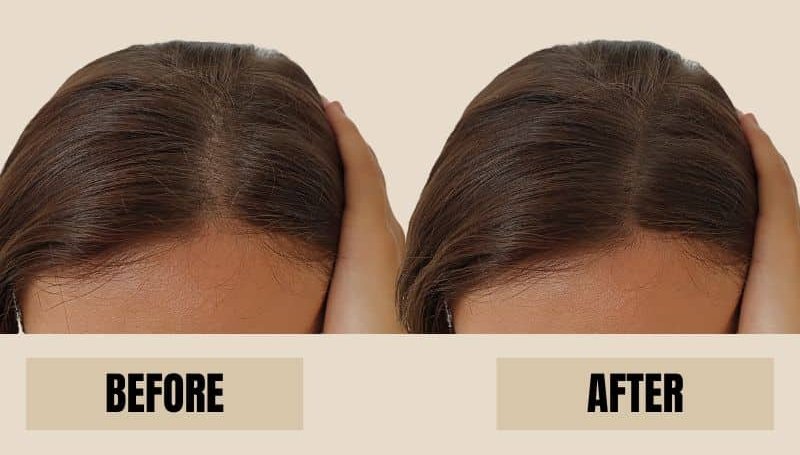
While male pattern baldness is a common reason people seek hair restoration, hair transplants are not exclusive to men. Many women experience hair thinning or patchy hair loss due to hormonal changes, medical conditions, or genetics. Hair transplant procedures can be adapted to suit both men and women, making it a versatile solution for anyone experiencing hair loss.
Myth 2: Results Look Unnatural
One of the biggest misconceptions is that hair transplants result in a “plugged” or artificial appearance. This may have been true with outdated techniques, but modern methods such as Follicular Unit Extraction (FUE) and Follicular Unit Transplantation (FUT) are highly refined. These procedures involve transplanting individual hair follicles, allowing for natural hairline design and realistic density. When performed by an experienced surgeon, the results blend seamlessly with your existing hair.
Myth 3: It’s a Painful Procedure
Another common myth is that a hair transplant is very painful. In reality, the procedure is typically performed under local anesthesia, making it virtually pain-free. Patients may feel slight pressure or discomfort, but the process is generally well-tolerated. Post-operative discomfort is mild and manageable with over-the-counter pain relief.
Myth 4: Hair Transplants Provide Immediate Results
Hair transplants don’t yield instant results. After the procedure, the transplanted hairs will usually fall out within the first few weeks—a process known as “shock loss.” New hair growth begins around the third month, with more noticeable improvements between six and nine months. Full results are typically visible within 12 to 18 months. Understanding this timeline is essential for setting realistic expectations.
Myth 5: Hair Transplants Are Only for Advanced Hair Loss
Many believe that a transplant is only an option when hair loss is severe. However, acting early can actually lead to better results. Treating hair loss in its early stages allows for a more strategic and preventative approach, often requiring fewer grafts and maintaining more of your natural density.
Myth 6: The Procedure Is Risky
While any surgery carries some level of risk, hair transplants are considered very safe, especially when performed by licensed and experienced professionals. Choosing a certified clinic that adheres to health regulations significantly reduces the risk of complications. Most side effects, such as swelling or redness, are temporary and mild.
Myth 7: Transplanted Hair Requires Special Maintenance
Once transplanted hair has fully grown in, it behaves just like your natural hair. It can be washed, cut, styled, and dyed without any special care. While proper scalp hygiene and a healthy lifestyle can support hair health, no extraordinary maintenance is required for transplanted hair.
Myth 8: Hair Transplants Are Too Expensive for Most People
Cost is often cited as a barrier, but hair transplant pricing varies depending on the clinic, procedure, and number of grafts required. Many clinics in London offer financing plans and consultations to help you understand the cost upfront. When compared to the lifetime cost of non-surgical treatments, a hair transplant can actually be a more cost-effective and lasting solution.
Conclusion
Misconceptions about hair transplants can prevent individuals from exploring a highly effective treatment for hair loss. By debunking these common myths, it’s easier to see that the procedure is safe, natural-looking, and accessible for both men and women.
If you’re thinking about restoring your hair and confidence, a hair transplant in London could be the right option. The key is to consult a qualified professional, ask questions, and make an informed decision based on facts—not myths.