Understanding the Differences Between Mahjong and Mahjong Connect
Mahjong and Mahjong Connect are both tile-based games that have captivated players across generations. While they may appear similar at first glance, they differ significantly in gameplay, strategy, and overall objectives. Whether you’re a casual player looking to explore new variations or a dedicated gamer aiming to deepen your understanding, recognizing the differences between these two games is essential to enjoying them fully.
At their core, both games use traditional Mahjong tiles, but their rules and formats are distinct. One is rooted in rich cultural traditions and competitive play, while the other offers a modern twist suited for puzzle enthusiasts. If you’re wondering which one suits your taste—or simply want to appreciate how they differ—this guide will walk you through everything you need to know.
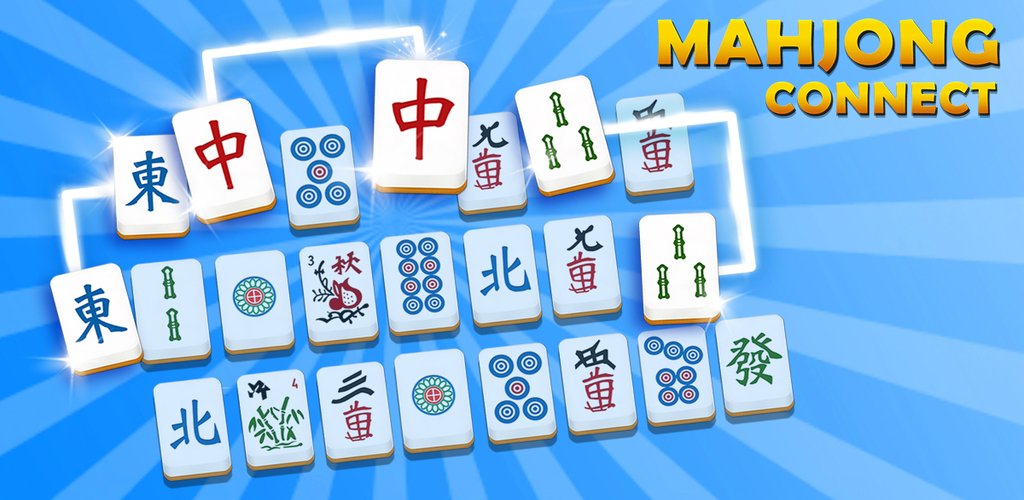
In contrast to classic Mahjong, which is played with four players and involves complex rules of draws, discards, melds, and points, Mahjong Connect is a single-player puzzle game. Instead of building a hand of tiles and strategizing against opponents, Mahjong Connect challenges players to match identical tiles that can be connected by a path with no more than two turns. The goal is to clear the board before time runs out. This makes the game more accessible for casual players while still offering enough challenge to keep things engaging.
Game Structure and Setup
Traditional Mahjong is a multiplayer game—usually for four players—requiring a full set of 144 tiles, although the number can vary slightly depending on regional rules. The tiles are initially arranged into a square wall, and each player draws and discards tiles in turn to form a complete hand that follows specific combinations or patterns, such as Pungs (three of a kind), Chows (a sequence), or a pair.
Mahjong Connect, however, does away with opponents and turns. The game is laid out in a rectangular grid, typically on a computer or mobile screen, and players must visually scan the board to identify matchable tiles. Because it’s a timed game, speed and pattern recognition are crucial. There’s no randomness or drawing tiles—everything you need to win is already on the board.
Strategic Approach
Strategy in Mahjong is about risk management, memory, and probability. Players must keep track of which tiles have been played, anticipate what their opponents might need, and make decisions that increase their odds of completing a valid hand. It’s a deep and complex game that rewards long-term learning and practice.
Mahjong Connect leans more toward logic puzzles than traditional strategy. It demands quick scanning, attention to the tile layout, and an ability to think several steps ahead to avoid getting stuck. While simpler on the surface, high-level play can still be mentally demanding, particularly on advanced levels where the tile paths become less obvious.
Game Duration and Accessibility
A full game of Mahjong can take anywhere from 30 minutes to over an hour, especially in tournament or league formats. Its rule complexity and reliance on understanding the scoring system mean that new players often need time to get comfortable.
Mahjong Connect, on the other hand, is fast-paced and can be played in short sessions, typically lasting 5–10 minutes. It’s widely accessible on online platforms and mobile apps, making it an ideal choice for players who enjoy quick, engaging puzzles with minimal learning curve.
Visual Presentation and User Experience
While both games use similar tile sets adorned with characters, bamboo, circles, and other symbolic imagery, Mahjong Connect often incorporates modern graphics, sound effects, and themed backgrounds. This enhances the user experience and makes the game visually appealing to a broader audience.
Classic Mahjong maintains a more traditional aesthetic, reflecting its origins and cultural heritage. It’s not uncommon for physical sets to be ornately designed, and even digital versions tend to mimic the look and feel of the real-life game closely.
Purpose and Appeal
Mahjong is often enjoyed as a social activity, encouraging interaction, conversation, and competition. In many East Asian cultures, it’s a staple of gatherings and holidays, with its deep-rooted history making it more than just a game—it’s a tradition.
Mahjong Connect appeals more to puzzle lovers and individuals looking for a solo challenge. It’s ideal for those who prefer a focused, goal-oriented experience without the complexity of multiplayer dynamics.
Conclusion
Understanding the differences between Mahjong and Mahjong Connect allows players to appreciate both games on their own terms. Traditional Mahjong offers a rich, strategic, and competitive environment with cultural significance, while Mahjong Connect provides a simplified, fast-paced puzzle game perfect for solo play.
Each game caters to different player preferences, and trying both can help you discover which type of challenge you enjoy more. Whether you’re mastering tile melds or navigating intricate paths on a puzzle grid, both versions offer their own kind of satisfaction and mental engagement.