Tips for Comparing Bathtub Materials and Styles in a Showroom
Selecting the right bathtub is a major decision in any bathroom renovation or new construction project. With a wide variety of materials, shapes, and features available, finding the best fit requires more than just browsing online. Visiting a bathtub showroom allows you to see, touch, and compare different tubs in person—helping you make a more informed and confident choice.
Whether you’re interested in a classic look, a sleek modern design, or something in between, evaluating the available options in a showroom setting is essential. To make the most of your visit, it’s important to understand how to assess both materials and styles effectively.
Why Visit a Bathtub Showroom?
A bathtub showroom offers a hands-on experience that online catalogs can’t replicate. You can physically inspect tubs, feel the textures of different materials, sit inside various models to test comfort, and view how bathtubs are styled within realistic bathroom layouts. More importantly, you’ll receive professional guidance from knowledgeable staff who can walk you through installation requirements, maintenance tips, and style considerations based on your needs and space.
Understand Common Bathtub Materials
Before diving into design choices, it’s essential to understand the pros and cons of different bathtub materials. Here are some of the most popular options you’ll encounter:
Acrylic
Acrylic bathtubs are lightweight, budget-friendly, and available in a wide range of shapes and sizes. They retain heat well and are easy to maintain. However, they can be more prone to scratching and may not offer the same durability as heavier materials.
Cast Iron
Cast iron tubs are known for their strength and longevity. Coated with enamel, they have a timeless appearance and excellent heat retention. On the downside, they are very heavy and may require reinforced flooring and professional installation.
Fiberglass
This is another lightweight and affordable option, typically used in lower-cost installations. While fiberglass tubs are easy to handle, they can be less durable over time and may fade or crack with heavy use.
Stone Resin and Solid Surface
These materials offer a premium, high-end feel. They mimic natural stone but are often lighter and more affordable. They’re durable, non-porous, and available in matte or polished finishes, making them perfect for luxury bathrooms.
Copper and Specialty Metals
Though less common, copper bathtubs make a bold statement with a rustic, elegant look. They offer natural antimicrobial properties and retain heat well but come with a higher price tag and specific maintenance needs.
Compare Bathtub Styles Side-by-Side
Once you’ve narrowed down your preferred materials, turn your attention to bathtub styles. A bathtub showroom lets you compare the following types more effectively:
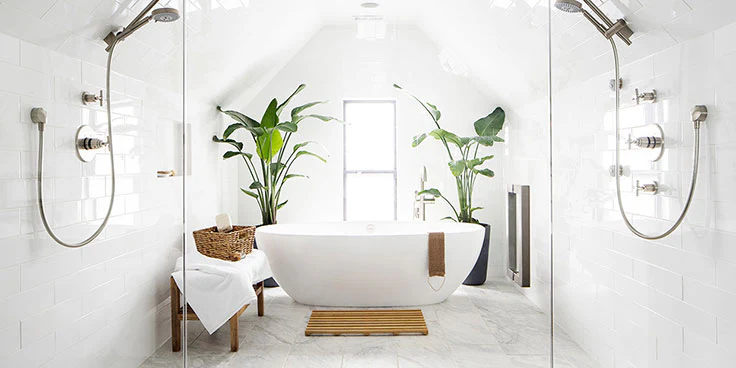
Freestanding Tubs
These tubs are visually striking and can be placed anywhere with adequate plumbing. They work well in larger bathrooms and come in both modern and vintage designs.
Drop-In Tubs
These are installed into a platform or deck, offering more control over placement and surround design. They’re great for customized bathrooms where integration with tilework is important.
Alcove Tubs
The most common type, especially for smaller bathrooms, alcove tubs are installed between three walls and often include a shower combination. They’re space-efficient and practical for everyday use.
Corner Tubs
Ideal for maximizing space, corner tubs provide a roomy soaking experience and can add a unique architectural element to your bathroom.
Walk-In Tubs
Designed for accessibility, walk-in tubs feature doors, built-in seats, and handrails. They’re perfect for aging homeowners or anyone with mobility concerns.
Consider Comfort and Ergonomics
Don’t just look—try the tub. Sit or recline in different models to test comfort and fit. Some tubs have sloped backs for relaxation, while others are designed for therapeutic purposes with lumbar support or contoured edges. The bathtub showroom experience lets you evaluate which model feels most comfortable for your body type and intended use.
Evaluate Finishes, Colors, and Features
Today’s bathtubs go beyond white and chrome. Many showrooms offer models in matte black, stone grey, navy, and even pastel shades. Check finishes in natural and artificial lighting to understand how they’ll look in your space.
You should also compare features such as whirlpool jets, air baths, heated surfaces, and integrated lighting. If wellness and luxury are priorities, test and discuss these features with showroom staff.
Ask the Right Questions
Maximize your visit by preparing questions in advance:
- What are the cleaning and maintenance requirements for this material?
- Does the tub come with a warranty?
- Is professional installation required?
- What accessories are compatible?
- Can the model be customized?
Having clear answers to these questions will make your comparison more precise and help you avoid unexpected issues down the line.
Conclusion
Comparing bathtub materials and styles is best done in person at a professional bathtub showroom. With expert guidance, the ability to evaluate comfort and finishes directly, and access to the latest styles and innovations, you’re far more likely to find a bathtub that meets your design goals, budget, and functional needs. Take your time during your visit, ask questions, and enjoy the opportunity to explore the perfect addition to your dream bathroom.