
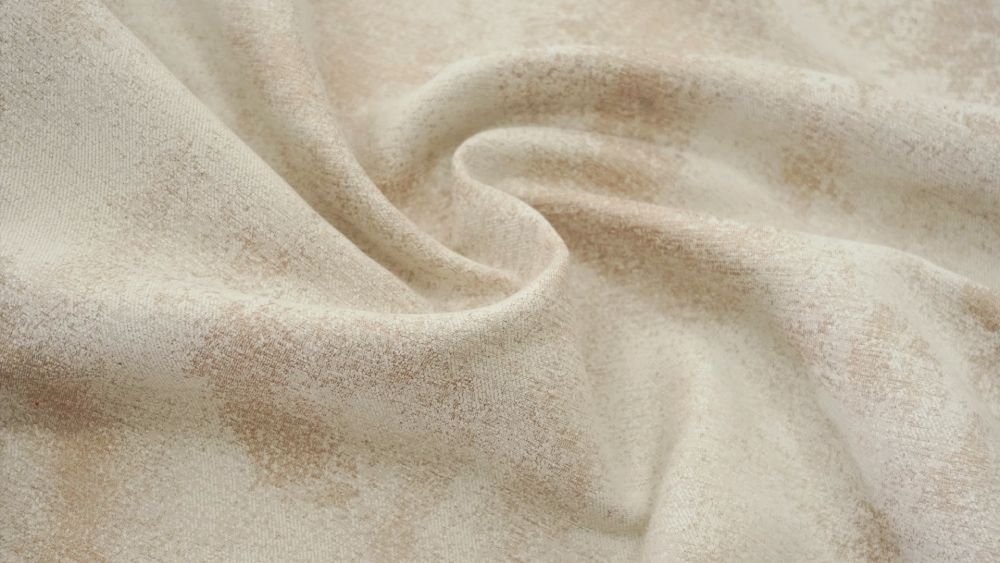
Chenille Fabric Guide: Characteristics, Applications, and Maintenance
Chenille fabric is known for its plush texture, luxurious appearance, and versatile applications across fashion, upholstery, and home décor. Derived from the French word chenille, meaning “caterpillar,” this fabric resembles a caterpillar’s fuzzy surface, making it distinctively soft and tactile. Whether you are selecting materials for elegant draperies, comfortable throws, or stylish garments, chenille offers both beauty and functionality. In this guide, you will learn about the unique characteristics of chenille fabric, where it is commonly used, and how to care for it to maintain its rich look and feel over time.
What Is Chenille Fabric?
Chenille fabric is made by twisting short lengths of yarn between two core yarns, resulting in a velvety pile that feels smooth and plush. It can be woven from cotton, polyester, rayon, acrylic, or blends of these fibers, depending on the intended use. The distinctive pile and sheen set chenille apart from other woven textiles, giving it a luxurious drape and inviting softness.
To explore a variety of colors, fiber compositions, and styles, you can browse examples of Chenille Fabric that illustrate the many options available for different projects and tastes.
Characteristics of Chenille Fabric
Chenille has several unique properties that make it an appealing choice for a wide range of applications:
- Soft and Plush Texture: The dense, fuzzy pile provides an exceptionally soft hand-feel that is ideal for cozy upholstery and clothing.
- Lustrous Appearance: The way light reflects off the pile gives chenille a subtle, attractive sheen.
- Good Insulation: Chenille fabric tends to be warm and insulating, which is why it is popular for throws, blankets, and winter garments.
- Variety of Weights: Chenille comes in lightweight varieties suitable for apparel and heavier options perfect for drapery and upholstery.
- Durability: When properly cared for, chenille is strong and long-lasting, especially when woven with synthetic fibers or blends.
These qualities make chenille a go-to fabric for both functional and decorative projects.
Common Applications of Chenille Fabric
Chenille’s softness, warmth, and elegant appearance lend themselves to many uses across interior design and fashion:
- Upholstery: Chenille is a popular choice for sofas, armchairs, ottomans, and cushions because it is both attractive and comfortable.
- Curtains and Draperies: Its beautiful drape and subtle sheen make chenille ideal for adding a touch of luxury to window treatments.
- Throws and Blankets: The cozy pile of chenille is perfect for throws and blankets, providing warmth and softness.
- Pillows and Bedspreads: Decorative pillows and bed coverings made with chenille create a plush, inviting atmosphere in bedrooms and living spaces.
- Apparel: Chenille is used in scarves, sweaters, cardigans, and robes for its softness and warmth.
- Rugs: Chenille area rugs have a distinctive texture and can add depth and visual interest to a room.
By blending comfort with sophistication, chenille elevates both everyday and special occasion items.
Tips for Maintaining Chenille Fabric
Proper care is essential to preserve the appearance and texture of chenille fabric. Follow these tips to keep your chenille looking its best:
- Vacuum Gently: For upholstery and larger items, vacuum regularly using an upholstery attachment to remove dust and debris without crushing the pile.
- Avoid High Heat: Chenille can be sensitive to high temperatures, so avoid placing it near direct heat sources or using high-heat settings when cleaning.
- Spot Clean Carefully: Blot spills immediately with a clean cloth. For stains, use mild soap and cold water, and avoid scrubbing, which can damage the pile.
- Dry Cleaning: Many chenille items, particularly those made for upholstery or drapery, are best professionally dry cleaned to maintain their color and texture.
- Rotate Cushions and Pillows: Regularly rotating cushions and pillows can help distribute wear evenly and prevent crushing in high-traffic areas.
These simple practices will extend the life of your chenille pieces and keep them looking luxurious.
Conclusion
Chenille fabric is a timeless material that combines softness, warmth, and visual appeal in one elegant package. Whether you are upholstering furniture, designing cozy throws, or creating stylish garments, chenille offers an unmatched level of comfort and beauty. By understanding its characteristics, exploring its many uses, and learning how to care for it properly, you can confidently incorporate chenille into your projects and enjoy the enduring charm it brings to any space or wardrobe.


