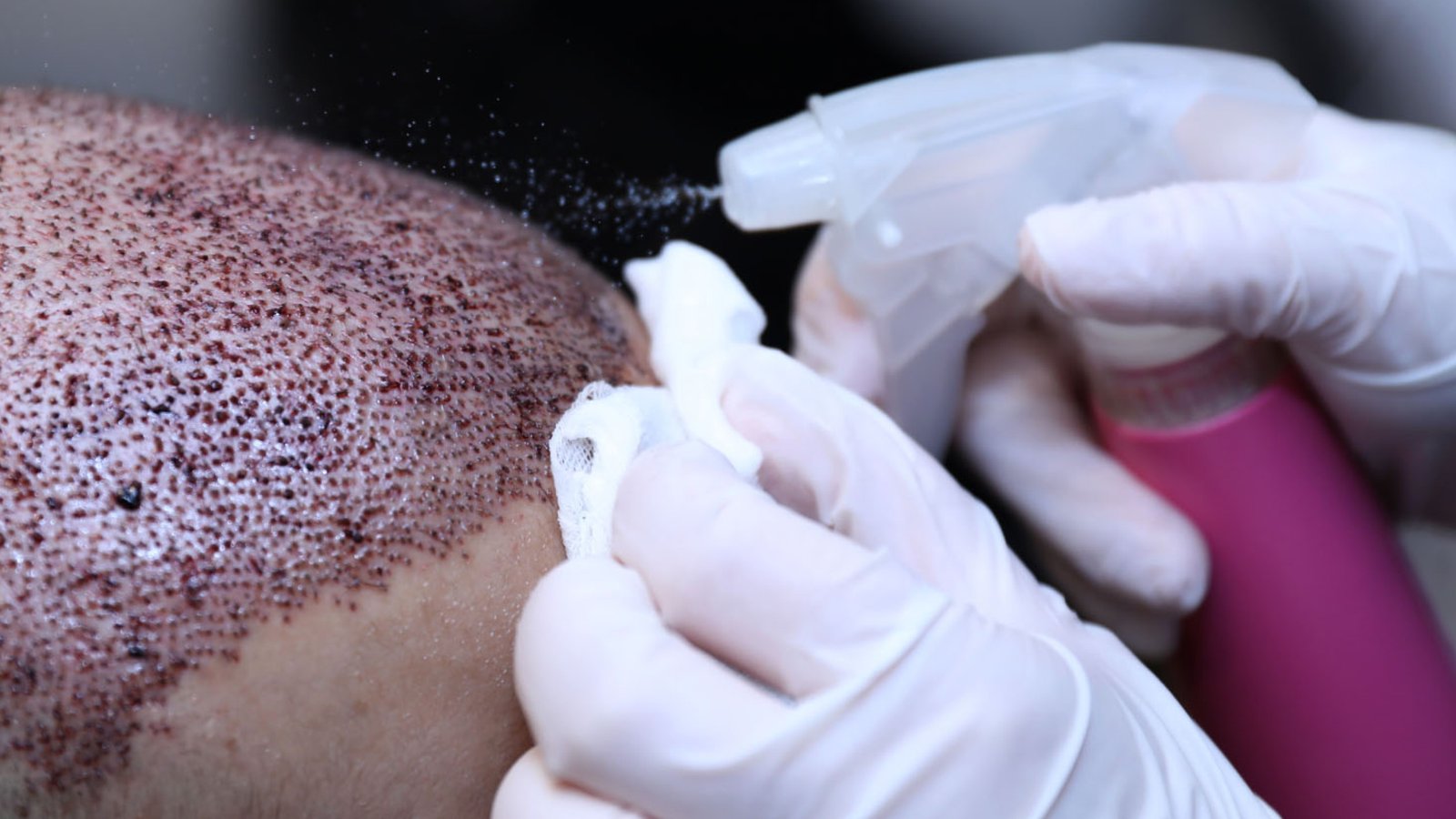
Trends and Innovations in London Hair Transplant Procedures
Hair transplant procedures have evolved significantly over the past decade, with advancements in technology and technique continually improving patient outcomes. London, as a major hub for medical innovation and aesthetic treatments, is at the forefront of these developments. For those considering hair restoration, understanding the latest trends and innovations in the field can help make informed decisions about the best treatment options available.
When exploring options for a london hair transplant, patients are increasingly turning to clinics that combine cutting-edge technology with personalized care. Clinics such as London Hair Transplant are known for integrating the latest advancements in hair restoration, ensuring safer procedures, faster recovery, and more natural-looking results. Below is an overview of some of the most notable trends and innovations shaping the landscape of hair transplant procedures in London today.
Advanced Techniques: FUE and FUT Refined
Follicular Unit Extraction (FUE) and Follicular Unit Transplantation (FUT) remain the two primary methods of hair transplantation, but these techniques have become more refined over time. FUE, which involves extracting individual hair follicles from the donor area and implanting them into thinning or bald regions, has grown in popularity due to its minimally invasive nature and quicker recovery times.
Innovations in robotic-assisted FUE are making the procedure even more precise. Robots can assist in harvesting follicles with incredible accuracy, reducing the risk of follicle damage and improving graft survival rates. Meanwhile, FUT, which involves removing a strip of scalp and dissecting it into follicular units, is still preferred in cases requiring large numbers of grafts, but improvements in suturing techniques have minimized scarring.
Platelet-Rich Plasma (PRP) Therapy
An exciting innovation complementing hair transplant surgeries is Platelet-Rich Plasma (PRP) therapy. PRP involves drawing a small amount of the patient’s blood, processing it to concentrate platelets, and then injecting this platelet-rich solution into the scalp. This process stimulates healing and encourages hair follicle growth.
In London, many hair transplant clinics now offer PRP as part of their treatment package or as an add-on therapy to enhance results. It is particularly effective for patients in the early stages of hair loss or those seeking to improve the health of their existing hair alongside transplantation.
Direct Hair Implantation (DHI)
Direct Hair Implantation (DHI) is an innovation that builds upon traditional FUE methods by allowing hair follicles to be implanted immediately after extraction, without the need to create recipient sites beforehand. This technique uses a specialized tool called a Choi pen, which facilitates precise implantation and reduces the time follicles are outside the body.
Clinics in London offering DHI emphasize its benefits, including higher graft survival rates, less trauma to the scalp, and a more natural hairline design. For many patients, this means shorter procedure times and faster recovery.
Personalized Treatment Plans with Digital Technology
Another significant trend is the use of digital technology for preoperative planning and patient consultation. High-resolution scalp imaging, 3D simulations, and hair density mapping enable surgeons to design highly personalized treatment plans tailored to the patient’s specific pattern of hair loss and donor hair availability.
Patients considering a london hair transplant increasingly expect this level of detailed planning to visualize potential outcomes and set realistic expectations. Digital tools also help in tracking progress post-procedure, allowing surgeons to adjust follow-up care as needed.
Minimally Invasive and Scarless Procedures
Minimally invasive approaches continue to gain traction in the hair transplant industry. Patients are now able to benefit from techniques that minimize discomfort, reduce the risk of infection, and virtually eliminate visible scarring. Innovations such as punch grafting with smaller diameters and enhanced wound closure methods contribute to faster healing and less postoperative downtime.
Additionally, some clinics are exploring the use of stem cell therapy and bioengineered hair follicles, which, although still largely experimental, offer promising potential for scarless hair restoration in the future.
Increased Focus on Natural Aesthetics
Modern hair transplant procedures emphasize not just restoring hair density but doing so with natural aesthetics in mind. London’s leading clinics now prioritize designing hairlines that complement facial features and mimic natural hair growth patterns. Surgeons pay close attention to the angle, direction, and spacing of transplanted follicles to avoid an artificial look.
This focus on artistry combined with science results in more satisfactory outcomes for patients who want their hair transplant to be undetectable and blend seamlessly with existing hair.
Patient Experience and Aftercare Innovations
Patient experience has become a core consideration for hair transplant clinics in London. Many now offer comprehensive aftercare programs, including tailored medication regimens, laser therapy to promote healing, and digital follow-ups. Clinics also emphasize clear communication and realistic expectations to ensure patients feel supported throughout their hair restoration journey.
Conclusion
The landscape of hair transplant procedures in London is rapidly evolving, driven by technological advancements and an increased emphasis on personalized care. From robotic-assisted FUE and DHI to PRP therapy and digital treatment planning, patients today can benefit from more effective, natural-looking, and minimally invasive hair restoration options.
For anyone considering a hair transplant in the UK’s capital, choosing a clinic that stays current with these innovations—such as London Hair Transplant—is essential for achieving the best possible results. With the right expertise and technology, hair transplant procedures can transform not only appearance but also confidence and quality of life.