How Oral Appliances Help Manage Sleep Apnea Symptoms
Sleep apnea is a disruptive sleep disorder that affects millions worldwide, characterized by repeated interruptions in breathing during sleep. These interruptions can lead to poor sleep quality, excessive daytime fatigue, and more serious health complications if left untreated. While continuous positive airway pressure (CPAP) therapy is often the first line of treatment, many patients seek alternative solutions due to discomfort or intolerance to the device. One effective alternative that has gained popularity is the use of oral appliances for sleep apnea management.
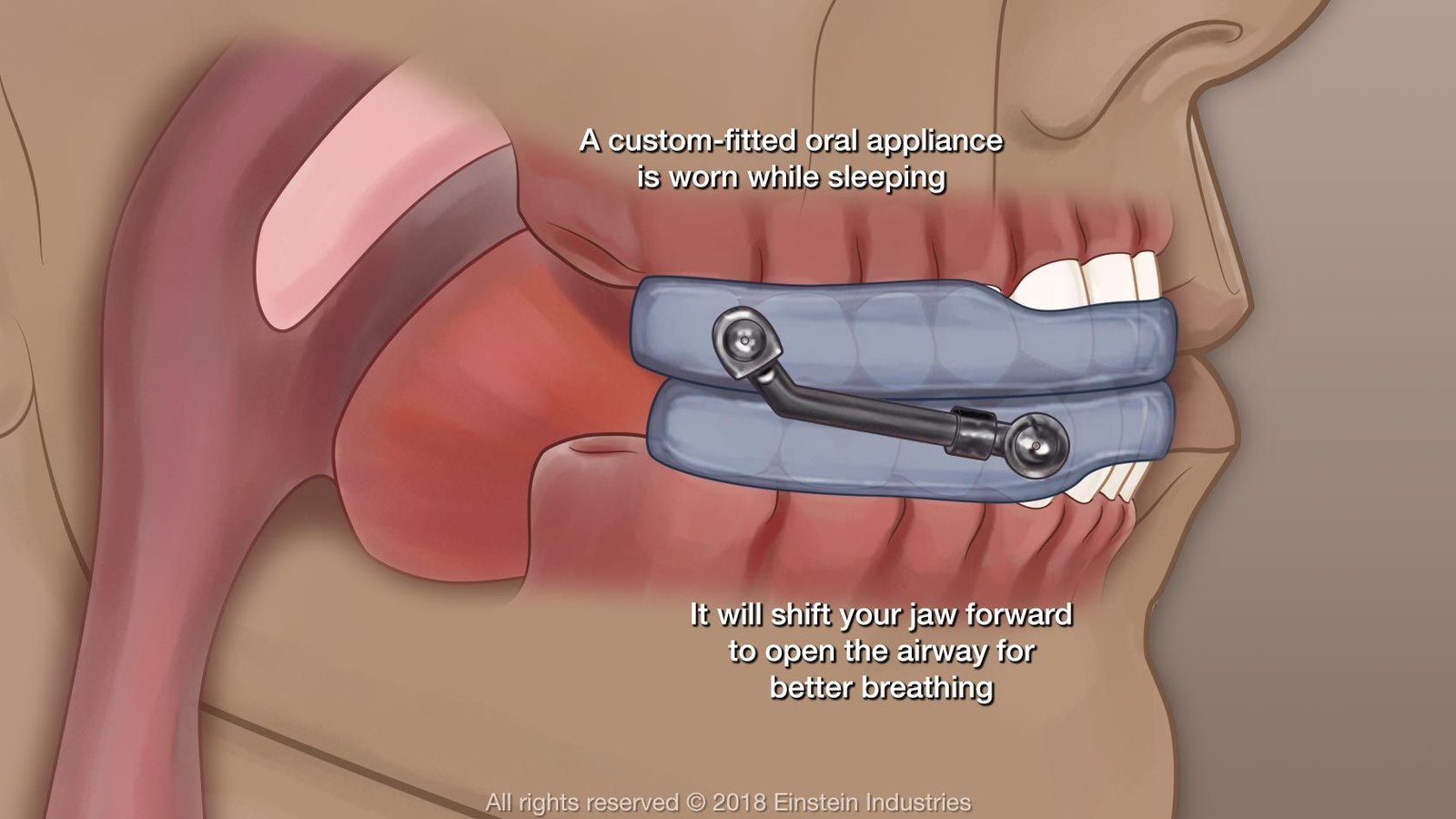
Oral appliances, specifically designed to treat obstructive sleep apnea, work by repositioning the jaw and tongue to maintain an open airway during sleep. For those interested in exploring this option, many dental clinics provide specialized oral appliance sleep apnoea treatments that are custom-fitted to ensure comfort and effectiveness. These devices offer a non-invasive and convenient way to manage sleep apnea symptoms and improve overall sleep quality.
Understanding Sleep Apnea and Its Challenges
Obstructive sleep apnea (OSA) occurs when the muscles in the throat relax excessively, causing the airway to collapse or become blocked during sleep. This obstruction prevents proper airflow, leading to breathing pauses called apneas. These frequent interruptions often result in fragmented sleep and decreased oxygen levels in the blood.
Common symptoms of OSA include loud snoring, choking or gasping during sleep, excessive daytime sleepiness, difficulty concentrating, and morning headaches. Untreated OSA is associated with serious health risks such as hypertension, cardiovascular disease, diabetes, and stroke.
While CPAP machines effectively maintain airway pressure to keep the airway open, many patients find the masks cumbersome and the machines noisy, leading to poor adherence. This is where oral appliances come in as a viable alternative, especially for patients with mild to moderate OSA or those unable to tolerate CPAP therapy.
What Are Oral Appliances for Sleep Apnea?
Oral appliances for sleep apnea are custom-made devices worn in the mouth during sleep. Their primary function is to reposition the lower jaw (mandible) slightly forward, which in turn helps prevent the tongue and soft tissues in the throat from collapsing into the airway. This mechanical adjustment improves airflow and reduces apnea episodes.
The most common type of oral appliance used is called a mandibular advancement device (MAD). These devices are similar to mouthguards or orthodontic retainers and are typically made from durable, biocompatible materials. Because they are custom-fitted by dental professionals, oral appliances provide both comfort and effectiveness in managing symptoms.
Benefits of Oral Appliances
Oral appliances offer several advantages that make them an attractive choice for many sleep apnea patients:
- Non-invasive and easy to use: Unlike surgery or CPAP therapy, oral appliances are non-surgical and straightforward to use. Patients simply wear the device at night without the need for machines or power sources.
- Comfort and portability: These devices are compact, lightweight, and easy to travel with, unlike bulky CPAP machines.
- Improvement in sleep quality: By reducing apnea events, oral appliances help restore restful sleep, reducing daytime fatigue and improving cognitive function.
- Reduced snoring: Many patients experience a significant decrease in snoring, which benefits both the patient and their sleeping partner.
- Custom-fit for comfort: A dental professional customizes the device to fit snugly and comfortably, minimizing irritation and discomfort.
- Fewer side effects: Oral appliances generally have fewer side effects than CPAP, which can cause nasal congestion, dry mouth, or skin irritation from masks.
Who Is a Good Candidate for Oral Appliance Therapy?
Oral appliances are most suitable for patients with mild to moderate obstructive sleep apnea or those who cannot tolerate CPAP therapy. They are often recommended for patients who have:
- Difficulty adjusting to CPAP masks
- Mild OSA diagnosed through a sleep study
- Anatomical features that respond well to mandibular advancement, such as a retruded jaw or tongue base obstruction
- Snoring without significant apnea
However, oral appliances may not be suitable for individuals with severe OSA or those with certain dental issues such as insufficient teeth or severe temporomandibular joint (TMJ) disorders. A thorough evaluation by a sleep specialist and dentist is essential before beginning oral appliance therapy.
Getting Fitted and Follow-Up Care
The process begins with a consultation where the dentist or sleep specialist assesses the patient’s oral health, jaw movement, and severity of sleep apnea. Impressions of the teeth are then taken to create a custom-fitted device.
Once the appliance is ready, the patient will undergo an adjustment period to ensure comfort and optimal positioning. Follow-up appointments are important to monitor effectiveness and make any necessary modifications. Sleep studies may be repeated to measure improvements in apnea severity.
Potential Side Effects and Maintenance
While oral appliances are generally safe, some patients may experience mild side effects such as jaw soreness, teeth discomfort, excessive salivation, or dry mouth. Most of these symptoms improve with continued use or minor device adjustments.
Proper care of the appliance is important to maintain its longevity and hygiene. Cleaning the device daily and storing it safely when not in use helps prevent damage and bacterial buildup.
Conclusion
Oral appliances offer an effective, convenient, and comfortable alternative for managing obstructive sleep apnea symptoms, especially for those who find CPAP therapy challenging. By advancing the lower jaw and preventing airway collapse, these devices improve sleep quality, reduce snoring, and alleviate daytime fatigue.
For anyone suffering from sleep apnea symptoms, consulting a qualified professional about oral appliance sleep apnoea treatment is an excellent step toward better sleep and overall health. With proper diagnosis, fitting, and follow-up care, oral appliances can be a valuable tool in the long-term management of sleep apnea.