
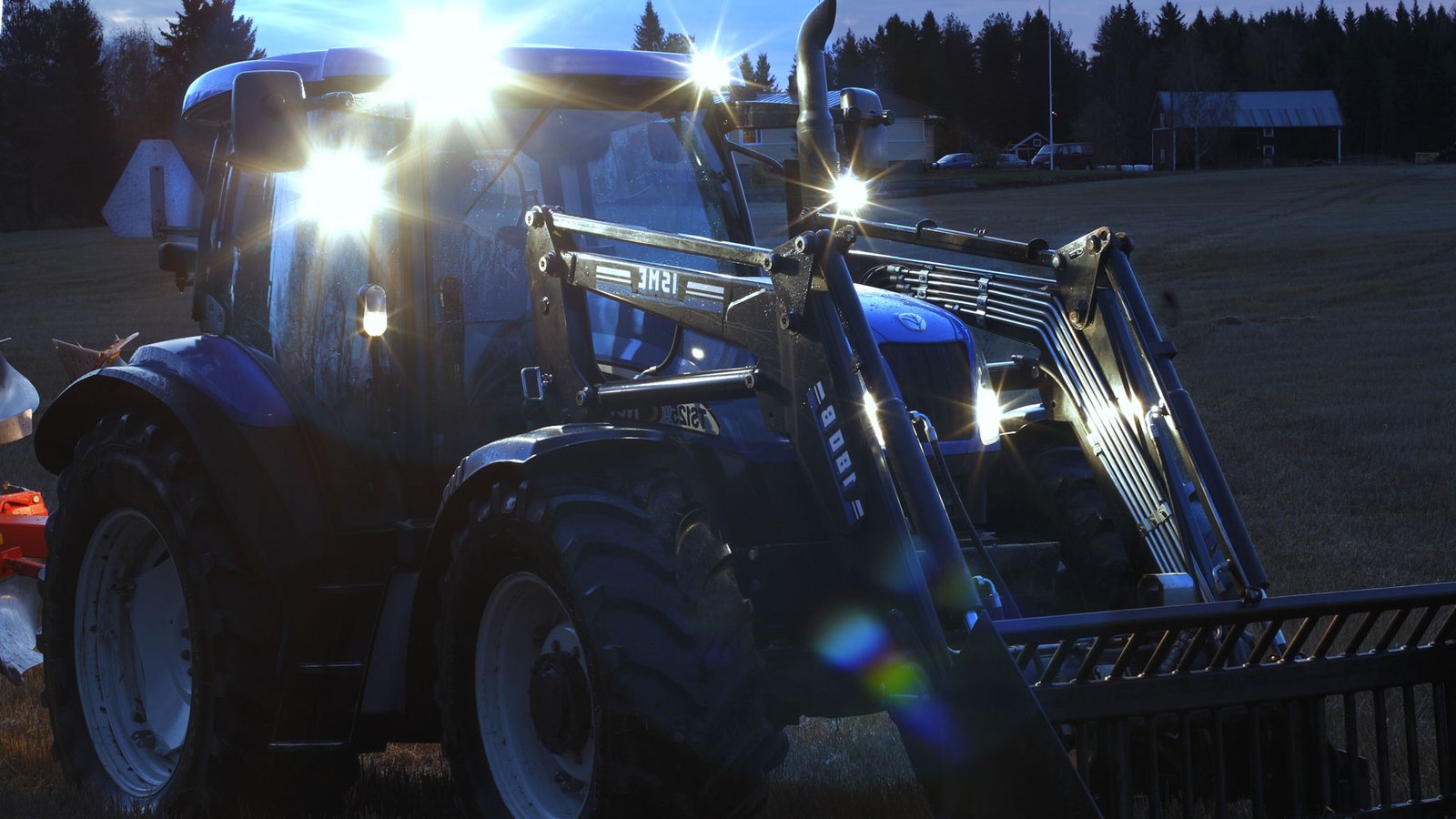
Choosing Between Halogen and LED Tractor Work Lights: What You Need to Know
When it comes to outfitting your tractor for nighttime or low-light operations, the choice of lighting can significantly impact safety, efficiency, and overall work quality. Tractor work lights are essential for illuminating fields, pathways, and equipment, enabling farmers to extend their working hours safely. However, selecting the right type of light—specifically choosing between halogen and LED technology—can be challenging. Understanding the differences, benefits, and drawbacks of each option will help you make an informed decision tailored to your needs.
If you’re exploring options, it’s worth considering advanced solutions like Tractor Work Lights. Modern tractor lighting has evolved to meet the demanding requirements of agricultural work, and these lights offer both durability and performance enhancements over older technologies. Whether you lean toward halogen or LED, knowing what each offers is key to maximizing your tractor’s lighting capabilities.
Halogen Tractor Work Lights: Traditional Power and Warm Light
Halogen lights have been a staple in tractor work lamps for many years. They work by passing electricity through a tungsten filament enclosed in a small bulb filled with halogen gas. This design produces a warm, bright light that many operators find familiar and reliable.
Advantages of Halogen Lights
- Cost-Effective: Halogen bulbs generally cost less upfront compared to LED lights, making them attractive for budget-conscious farmers.
- Warm Light Output: The light emitted by halogen bulbs has a natural warm tone, which some users prefer for its softer illumination.
- Simple Technology: Halogen lights have been around for decades, so they are easy to replace and widely available.
Drawbacks of Halogen Lights
- Shorter Lifespan: Halogen bulbs tend to burn out much faster than LED lights, which means more frequent replacements and higher maintenance costs over time.
- Higher Energy Consumption: Halogen bulbs consume significantly more power, putting additional load on your tractor’s electrical system.
- Heat Generation: These bulbs emit considerable heat, which can be inefficient and sometimes problematic in close installations.
- Less Durable: Halogen bulbs are more fragile, vulnerable to shocks and vibrations common in farming environments.
LED Tractor Work Lights: The Modern Choice for Efficiency and Durability
LED (Light Emitting Diode) technology has rapidly gained popularity in agricultural lighting because of its efficiency, brightness, and durability. Unlike halogen bulbs, LEDs use semiconductors to convert electricity into light, making them more advanced and reliable for heavy-duty applications.
Advantages of LED Lights
- Energy Efficiency: LED lights use a fraction of the power required by halogen bulbs while producing brighter, more focused light. This reduces strain on your tractor’s battery and alternator.
- Longevity: LED lights typically last tens of thousands of hours, drastically reducing replacement frequency and long-term costs.
- Durability: LEDs are solid-state lights, meaning they can withstand vibrations, shocks, dust, and moisture far better than halogen bulbs.
- Cool Operation: LEDs generate minimal heat, increasing safety and allowing them to be placed closer to sensitive equipment without risk.
- Improved Visibility: LED tractor work lights produce a crisp white light that enhances visibility and color differentiation, which can improve precision during nighttime tasks.
- Additional Features: Many LED tractor lights come with multifunctional designs, including integrated strobe or warning lights, adding to operational safety.
Potential Downsides of LED Lights
- Higher Initial Cost: The upfront investment for LED tractor lights can be higher than halogen bulbs, although this is offset by savings on power consumption and replacements.
- Complex Electronics: LEDs require drivers and additional circuitry, which can be vulnerable to electrical issues if not installed correctly.
Comparing Halogen and LED: What Should You Choose?
Cost Considerations
While halogen bulbs may appear cheaper initially, their shorter lifespan and higher energy consumption often lead to increased long-term expenses. LEDs, despite the higher initial price, offer better value due to their energy savings and reduced maintenance.
Performance and Lighting Quality
LEDs outperform halogen bulbs in brightness and beam quality. The focused and intense light of LEDs ensures better visibility in low-light conditions, which is critical for safe and efficient farming. Halogen lights, although warm and soft, may not provide the same clarity and coverage.
Durability and Maintenance
Farming environments are tough on equipment, with dust, moisture, and vibrations commonplace. LEDs are more rugged and better suited for these conditions. Halogen bulbs, in contrast, are more prone to damage and require more frequent replacements.
Environmental Impact
LED lights are more environmentally friendly due to lower power consumption and less frequent replacements, reducing waste.
Installation and Compatibility
Both halogen and LED tractor work lights can generally be installed using similar mounts and wiring setups. However, because LED lights may require additional electrical components such as drivers or resistors, it is important to ensure compatibility with your tractor’s electrical system and to follow manufacturer guidelines carefully.
Conclusion
Choosing between halogen and LED tractor work lights depends largely on your priorities and budget. For farmers seeking reliable, bright, energy-efficient lighting with minimal maintenance, LED tractor work lights are the clear winner. They provide enhanced safety, better visibility, and long-term cost savings, making them the smart investment for modern farming.
On the other hand, if upfront cost is a critical factor and you prefer traditional lighting, halogen lights can still serve basic lighting needs but with more frequent upkeep and higher energy use.
Ultimately, upgrading to high-quality tractor work lights that meet your specific farming conditions will enhance your productivity and safety during nighttime operations.


